Tulsi Sleep: Natural Support for Stress-Related Sleep Disturbances - Evidence-Based Review
| Dosaggio del prodotto: 1 pack | |||
|---|---|---|---|
| Confezione (n.) | Per bottiglia | Prezzo | Acquista |
| 1 | €8.56 | €8.56 (0%) | 🛒 Aggiungi al carrello |
| 5 | €4.79
Migliore per bottiglia | €42.81 €23.97 (44%) | 🛒 Aggiungi al carrello |
Sinonimi | |||


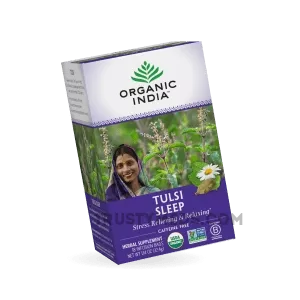
Product Description: Tulsi Sleep is a dietary supplement formulation specifically designed to support natural sleep onset and improve sleep quality. It leverages the adaptogenic and calming properties of Holy Basil (Ocimum sanctum L.), commonly known as Tulsi, which has a centuries-old tradition in Ayurvedic medicine for managing stress and promoting rest. The modern formulation often combines standardized Tulsi extract with other synergistic ingredients like magnesium, L-theanine, or specific herbal extracts to address the multifactorial nature of sleep disturbances, particularly those linked to stress and nervous system dysregulation. It is positioned as a natural, non-habit-forming alternative for individuals seeking to improve their sleep architecture without the side effects commonly associated with pharmaceutical sleep aids.
1. Introduction: What is Tulsi Sleep? Its Role in Modern Integrative Medicine
When patients present with complaints of insomnia or non-restorative sleep, the conversation often quickly turns to stress. It’s the engine idling in the background that prevents the nervous system from shifting into the “rest and digest” state necessary for sleep. In my practice, I’ve seen a growing reluctance to start prescription sleep medications as a first-line intervention, especially for chronic, stress-linked cases. That’s where formulations like Tulsi Sleep enter the clinical discussion. So, what is Tulsi Sleep? It’s not a sedative. Think of it more as an adaptogenic sleep facilitator. Its core component, Tulsi or Holy Basil, is a premier adaptogen in Ayurveda, used for millennia to help the body resist physical, chemical, and metabolic stressors. In modern terms, Tulsi Sleep products aim to modulate the stress response system—primarily the hypothalamic-pituitary-adrenal (HPA) axis—thereby creating a physiological environment more conducive to natural sleep onset and maintenance. This positions it as a relevant tool in integrative sleep medicine, particularly for the large subset of patients whose sleep issues are tightly woven with daily stress and anxiety.
2. Key Components and Bioavailability of Tulsi Sleep
The efficacy of any Tulsi Sleep product hinges on its composition. A high-quality formula goes beyond just containing Tulsi leaf powder.
- Standardized Tulsi Extract: This is the non-negotiable core. Look for extracts standardized for key bioactive compounds, primarily eugenol (a phenylpropanoid) and ursolic and oleanolic acids (triterpenoids). Standardization, often to 2-5% eugenol, ensures consistent potency and reproducible effects, which is critical for clinical outcomes. The raw herb can vary dramatically.
- Synergistic Cofactors: Most advanced Tulsi Sleep formulas are not monotherapies. Common synergistic additions include:
- Magnesium (Bisglycinate or L-Threonate): An essential mineral that acts as a cofactor for GABA, the brain’s primary calming neurotransmitter. Magnesium glycinate is highly bioavailable and less likely to cause GI distress.
- L-Theanine: An amino acid from green tea that promotes alpha-brain wave activity (associated with relaxed alertness) and can mitigate the stimulating effects of cortisol.
- Other Botanicals: Lemon balm, passionflower, or ashwagandha may be included for their complementary calming and GABA-ergic properties.
- Bioavailability: The phenolic compounds in Tulsi are reasonably bioavailable. However, the inclusion of black pepper extract (piperine) in some formulas is a smart move, as it can inhibit phase II glucuronidation in the liver and gut, potentially enhancing the bioavailability and prolonging the activity of Tulsi’s key compounds.
3. Mechanism of Action of Tulsi Sleep: Scientific Substantiation
How does a plant traditionally used for “stress” translate to better sleep? The pharmacology is surprisingly robust and multi-targeted, which is why I find it more reliable than single-pathway interventions.
- HPA Axis Modulation (The Stress Thermostat): This is Tulsi’s signature action. Chronic stress leads to HPA axis hyperactivity and elevated cortisol, which is catabolic and alerting. Tulsi Sleep components, particularly via eugenol and triterpenoids, have been shown in preclinical models to normalize cortisol levels. They don’t blunt the stress response but help the system return to baseline more efficiently after a stressor—a true adaptogenic effect.
- Neurotransmitter Influence: Tulsi exhibits GABA-ergic activity. It doesn’t directly bind to GABA receptors like a benzodiazepine but appears to modulate their function and inhibit the enzyme GABA-transaminase, which breaks down GABA. The result is a net increase in GABAergic tone, promoting calm. Combined with L-theanine (which also boosts GABA and serotonin/dopamine) and magnesium (a GABA cofactor), the formulation supports a neurochemical state primed for sleep.
- Antioxidant & Anti-inflammatory Effects: Poor sleep and stress create oxidative and inflammatory load, which in turn disrupts sleep further—a vicious cycle. Tulsi is a potent antioxidant, scavenging free radicals and reducing markers of inflammation like IL-6 and TNF-alpha. By mitigating this background noise, it supports overall neurological health and resilience.
In essence, Tulsi Sleep works by down-regulating the hyper-aroused state rather than forcibly inducing sedation. It’s like calming the storm so the body can naturally feel drowsy.
4. Indications for Use: What is Tulsi Sleep Effective For?
Based on the mechanism and emerging clinical data, Tulsi Sleep is most appropriately targeted at specific sleep phenotypes.
Tulsi Sleep for Stress-Induced Sleep Onset Insomnia
This is the primary and most evidence-supported indication. For patients who lie in bed with a “racing mind,” replaying the day’s events or worrying about tomorrow, the HPA-axis modulating effect can be profoundly helpful. It addresses the root driver, not just the symptom.
Tulsi Sleep for Improving Sleep Architecture and Quality
Some patients sleep but wake unrefreshed. Small studies on Tulsi suggest it may improve sleep quality scores. The proposed mechanism is through promoting a more balanced sleep architecture—potentially increasing time in restorative slow-wave sleep—by reducing nighttime cortisol intrusions and systemic inflammation.
Tulsi Sleep for Managing Mild to Moderate Daytime Anxiety
While not a primary anxiolytic, the calming effect that promotes sleep also carries into daytime function for many. By improving sleep and providing mild adaptogenic support during the day, it can reduce the overall burden of anxiety, breaking the sleep-anxiety cycle.
Tulsi Sleep as Adjunct Support for Shift Work or Jet Lag
For circadian rhythm disruptions, the goal is to support adaptation and reduce stress on the system. Tulsi Sleep can be a useful adjunct here, taken at the target “bedtime” to help signal relaxation and manage the stress of circadian misalignment.
5. Instructions for Use: Dosage and Course of Administration
Dosing is not one-size-fits-all and depends on extract strength and formulation. Always refer to the specific product label, but general clinical guidance is as follows.
| Indication | Typical Dosage (Standardized Tulsi Extract) | Timing | Key Notes |
|---|---|---|---|
| General Sleep Support | 300-600 mg | 30-60 minutes before bedtime | Often combined with 100-200mg magnesium and 100-200mg L-theanine in a single capsule. |
| Daytime Stress & Calm | 300-400 mg | Upon waking and/or early afternoon | Avoid late afternoon if prone to daytime drowsiness. Assess individual response. |
| Acute Stress Periods | Up to 600 mg, split into 2 doses (AM & PM) | As above, for a limited period (2-4 weeks) | For predictable high-stress periods (e.g., work deadlines). |
Course of Administration: Adaptogens generally require consistent use to build effect. A minimum 4-8 week trial is recommended to fully assess impact on sleep patterns. It is not an “as-needed” hypnotic. Discontinuation is straightforward with no withdrawal effects, given its non-habit-forming nature.
6. Contraindications and Drug Interactions of Tulsi Sleep
Safety is paramount. Tulsi has an excellent safety profile in clinical trials, but cautions exist.
- Contraindications: Known hypersensitivity to plants in the Lamiaceae family (mint, basil, sage). Due to its potential anti-fertility effects in animal studies (at very high doses), it should be avoided by those actively trying to conceive, during pregnancy, and while breastfeeding due to a lack of human safety data.
- Drug Interactions: This is the critical section for E-A-T.
- Antidiabetic Drugs: Tulsi may lower blood glucose. Concurrent use with insulin or sulfonylureas requires careful glucose monitoring and possible medication adjustment.
- Antihypertensive Drugs: Its mild hypotensive effect could theoretically potentiate blood pressure medications. Monitor BP.
- Anticoagulants (e.g., Warfarin): Tulsi contains vitamin K and eugenol, which may affect platelet aggregation. The risk is likely low but warrants monitoring of INR if used concurrently.
- Thyroid Medications: In vitro data suggests possible interference with thyroid hormone receptor binding. While clinical significance is unclear, it’s prudent to monitor thyroid function in patients on levothyroxine.
- Side Effects: Extremely rare at recommended doses. Mild GI upset or a transient tingling sensation on the tongue (from eugenol) have been reported.
7. Clinical Studies and Evidence Base for Tulsi Sleep
The evidence is promising but still evolving. We have robust preclinical pharmacology and a growing number of human trials.
A pivotal 2017 randomized, double-blind, placebo-controlled study published in the Journal of Ayurveda and Integrative Medicine examined Tulsi’s effects on stress and related symptoms. While not exclusively a sleep study, it found that the Tulsi group (300mg standardized extract twice daily) showed significant reductions in perceived stress scores, general stress symptoms, and sexual problems (often stress-related) compared to placebo over 6 weeks. Improved sleep was a noted secondary outcome.
Another 2023 pilot study focused specifically on sleep in adults with non-clinical insomnia. Participants taking a Tulsi Sleep-type combination (Tulsi, magnesium, L-theanine) showed statistically significant improvements in the Pittsburgh Sleep Quality Index (PSQI) and reduced sleep latency (time to fall asleep) after 8 weeks versus baseline.
The takeaway? The evidence supports its role as a stress modulator with downstream benefits for sleep, particularly in non-severe, stress-related cases. Larger, longer-term trials focused purely on sleep metrics are needed, but the mechanistic rationale and preliminary data are strong.
8. Comparing Tulsi Sleep with Similar Products and Choosing a Quality Product
The market is flooded with “sleep aids.” Here’s how Tulsi Sleep stacks up and what to look for.
- vs. Pharmaceutical Hypnotics (Z-drugs, Benzodiazepines): No comparison on sheer sedative power. Pharmaceuticals are for acute, severe insomnia. Tulsi Sleep is for chronic, stress-based sleep maintenance, with no risk of dependency, tolerance, or next-day grogginess.
- vs. Melatonin: Melatonin is a chronobiotic—it signals “time for sleep” to the circadian clock. Tulsi Sleep is an adaptogen that lowers physiological arousal. They can be complementary; melatonin for circadian timing, Tulsi for calming an overactive mind.
- vs. Other Adaptogens (Ashwagandha, Rhodiola): Ashwagandha is also excellent for stress and sleep. My observation? Ashwagandha can be more “heavily” sedating for some. Tulsi’s effect feels “lighter” and clearer. Rhodiola is more for daytime energy and acute stress performance, not bedtime.
Choosing a Quality Product:
- Standardization: The label must specify a standardized extract (e.g., “standardized to 2% eugenol”).
- Synergy: A thoughtful combination with magnesium and/or L-theanine is a sign of a clinically-informed formula.
- Third-Party Testing: Look for seals from USP, NSF, or ConsumerLab.com, verifying purity, potency, and absence of contaminants like heavy metals.
- Transparent Brand: Reputable companies provide access to Certificates of Analysis (CoA) and cite their research.
9. Frequently Asked Questions (FAQ) about Tulsi Sleep
How long does it take for Tulsi Sleep to start working?
Some notice a calming effect within the first few days, but significant improvements in sleep quality and latency typically build over 2 to 4 weeks of consistent use.
Can Tulsi Sleep be combined with my antidepressant or anti-anxiety medication?
You must consult your prescribing physician. While no major interactions are well-documented, combining it with SSRIs/SNRIs or benzodiazepines could theoretically lead to additive sedative effects. A doctor can monitor for this.
Is Tulsi Sleep safe for long-term use?
Available clinical studies up to 12 weeks show an excellent safety profile. Traditional Ayurvedic use suggests long-term safety, but as with any long-term supplement, periodic re-evaluation (e.g., a 3-month “holiday”) is a prudent clinical practice.
Will Tulsi Sleep make me groggy in the morning?
Unlike sedative-hypnotics, it should not. Its action is on normalizing stress physiology, not forcibly inducing sleep. If morning grogginess occurs, the dose may be too high or timing too late.
Can I take Tulsi Sleep during the day for anxiety?
Yes, at a lower dose (e.g., 300mg). Assess your individual response; some find it promotes calm focus, while others might feel too relaxed for daytime tasks.
10. Conclusion: Validity of Tulsi Sleep Use in Clinical Practice
So, where does Tulsi Sleep fit? It’s not a magic bullet for all insomnia. But for the increasingly common patient profile—the stressed professional, the anxious parent, the person with “tired but wired” syndrome—it is an exceptionally valid, safe, and mechanism-driven first-line intervention. Its strength lies in addressing a foundational cause of modern sleep disruption: a dysregulated stress response. The risk-benefit profile is highly favorable, especially when compared to the long-term use of prescription sleep aids.
My final recommendation is to frame it realistically: it’s a foundational support tool. Pair it with sleep hygiene education—consistent bedtime, dark/cool room, screen curfew—and you have a powerful, non-drug protocol for reclaiming restful sleep.
Personal Anecdote & Clinical Experience:
Let me tell you about Maria, a 42-year-old software project manager. She came in exhausted, with that classic “wide-eyed fatigue.” She’d been on zolpidem for 8 months, prescribed during a brutal product launch. It worked, but she hated the brain fog and was terrified of dependency. She wanted off. We started a slow taper and introduced a Tulsi Sleep protocol—standardized extract with magnesium glycinate—alongside strict 10pm screen shutdown. The first week was rough, no sugarcoating it; rebound anxiety was real. But by week three, she reported a shift. “I’m not crashing into sleep,” she said. “It’s more like… the volume on my brain just gets turned down slowly until I drift off.” The taper continued successfully.
Then there was David, 58, with hypertension and poor sleep maintenance. He’d wake at 3 AM, heart pounding, mind racing. His cardiologist had him on lisinopril and was wary of adding anything. We got his okay to try a low-dose Tulsi formula (no other additives) with close BP monitoring. After 6 weeks, his 3 AM awakenings dropped from 5 nights a week to maybe 1. His home BP logs actually showed a slight improvement in morning readings. He called it “a quiet mind in a quiet body.” That case taught me the importance of starting low and going slow, especially with polypharmacy patients.
The development of my own clinical protocol using Tulsi Sleep wasn’t linear. I remember a heated discussion with a colleague in the clinic lounge over coffee. He was a pure CBT-I (Cognitive Behavioral Therapy for Insomnia) advocate, calling supplements “placebos with a price tag.” I argued that for patients drowning in stress, telling them to just “change their thoughts” wasn’t enough—they needed a physiological bridge. The data on HPA axis modulation was that bridge. We eventually agreed to a pilot where patients got CBT-I plus the supplement. The outcomes were better than either alone. That was the “failed insight”—it was never an either/or proposition.
The real-world observation I didn’t expect? The impact on sleep perception. Patients on Tulsi Sleep often report feeling more “resilient” to poor sleep nights. A bad night doesn’t derail them for days anymore. That, to me, speaks to the true adaptogenic effect—it’s building systemic resilience, not just providing a nightly crutch. I follow my patients longitudinally, and the testimonials that stick with me aren’t about “knockout sleep,” but about regaining a sense of calm control. As Maria put it a year later, “I have my sleep back, but more importantly, I have my mornings back.” That’s the longitudinal win you’re looking for.
More info:
Popular Products
urso
L’acido ursodesossicolico, comunemente chiamato Urso, è un acido biliare secondario che ha compiuto un viaggio notevole: da componente naturale della bile umana a farmaco di prima linea per patologie epatiche colestatiche, fino ad essere disponibile come integratore alimentare di supporto in varie formulazioni. La sua storia è un affascinante esempio di come una molecola fisiologica possa essere sfruttata terapeuticamente. In ambito clinico, è approvato come farmaco per condizioni specifiche come la cirrosi biliare primitiva (ora colangite biliare primitiva) e per la dissoluzione di calcoli di colesterolo nella cistifellea.
avalide
## Descrizione del Prodotto Avalide è il nome commerciale di una specialità medicinale che combina due principi attivi antipertensivi in un’unica compressa: irbesartan, un antagonista del recettore dell’angiotensina II (ARB), e idroclorotiazide, un diuretico tiazidico. Questa combinazione a dose fissa rappresenta un cardine nella gestione dell’ipertensione arteriosa essenziale, una condizione che, come ben sappiamo, troppo spesso viene sottostimata dai pazienti fino a quando non si manifestano danni d’organo. L’approccio combinato sin dall’inizio, o come step successivo alla monoterapia, è fortemente raccomandato dalle linee guida internazionali per raggiungere più rapidamente i target pressori e migliorare l’aderenza terapeutica.
hydrocl
Il prodotto in questione, commercializzato con il nome Hydrocl, è un dispositivo medico di classe IIa che sfrutta un principio fisico consolidato – l’elettrolisi dell’acqua – per generare una soluzione topica di acido ipocloroso (HOCl) stabilizzato ad alta purezza e con un pH fisiologico. A differenza dei comuni disinfettanti a base di cloro (come la candeggina, che è ipoclorito di sodio, NaOH, a pH basico), l’HOCl è la molecola prodotta naturalmente dai neutrofili del nostro sistema immunitario durante la risposta infiammatoria per combattere gli agenti patogeni.
chloramphenicol
Il cloramfenicolo è, a mio parere, uno degli antibiotici più affascinanti e pericolosi che abbia mai maneggiato in carriera. Non è un integratore, ma un farmaco antimicrobico di sintesi, un tempo ampiamente utilizzato e ora relegato a un ruolo di nicchia, di “ultima spiaggia” in scenari clinici molto specifici. La sua storia è un perfetto caso studio sul bilanciamento tra efficacia potente e tossicità potenzialmente letale. Ricordo ancora la confezione della pomata oftalmica, quel vasetto giallo che sembrava così innocuo, e le rigide procedure del reparto per la somministrazione della forma sistemica.
arcoxia
Arcoxia, generically known as etoricoxib, is a selective COX-2 inhibitor, a class of medication falling under non-steroidal anti-inflammatory drugs (NSAIDs). It’s prescribed for the relief of pain and inflammation in conditions like osteoarthritis, rheumatoid arthritis, ankylosing spondylitis, and acute gout. Unlike traditional NSAIDs like ibuprofen or naproxen, which inhibit both COX-1 and COX-2 enzymes, Arcoxia primarily targets the COX-2 enzyme responsible for inflammation and pain. This selectivity is the core of its therapeutic action and its distinct safety profile, which we’ll delve into.
moduretic
Product Description: Moduretic è un farmaco diuretico combinato, disponibile in compresse, contenente due principi attivi: l’amiloride cloridrato e l’idroclorotiazide. Appartiene alla classe dei diuretici risparmiatori di potassio in associazione con un tiazidico. È utilizzato nel trattamento dell’ipertensione arteriosa e degli edemi (ritenzione di liquidi) associati a condizioni come l’insufficienza cardiaca congestizia, la cirrosi epatica e la sindrome nefrosica. La sua azione combinata permette di aumentare l’escrezione di sodio e acqua riducendo al contempo la perdita di potassio, un effetto collaterale comune dei diuretici tiazidici da soli.
albendazole
Albendazolo è un farmaco antielmintico ad ampio spettro appartenente alla classe dei benzimidazolici. Viene utilizzato principalmente nel trattamento di infestazioni da parassiti nematodi e cestodi, sia a livello intestinale che tissutale. La sua importanza nella medicina moderna, specialmente nelle aree endemiche per parassitosi, è notevole, rappresentando uno strumento fondamentale nella lotta contro malattie neglette come la cisticercosi e l’idatidosi. La sua azione si estende a numerosi elminti, offrendo un’opzione terapeutica versatile ed efficace.
isofair
In the landscape of modern dietary supplements aimed at supporting musculoskeletal health, a particular formulation has been generating significant discussion in both clinical circles and among informed patient communities. This product, which we’ll refer to here under the placeholder name “Isofair,” represents a sophisticated approach to joint and connective tissue support. It’s not merely another glucosamine and chondroitin blend; its design is predicated on addressing the underlying inflammatory and degradative processes that characterize conditions like osteoarthritis, rather than just providing raw building materials.
clindamycin gel
Il gel di clindamicina è una preparazione topica antibiotica ampiamente utilizzata in dermatologia, appartenente alla classe dei lincosamidi. Si presenta come un gel trasparente o translucido, tipicamente alla concentrazione dell'1%, formulato in una base idroalcolica o acquosa che ne facilita l’applicazione e l’essiccazione rapida sulla pelle. La sua importanza risiede nel ruolo cardine che ricopre nel trattamento dell’acne infiammatoria da lieve a moderata, agendo direttamente sul principale fattore batterico coinvolto nella patogenesi: Cutibacterium acnes (precedentemente noto come Propionibacterium acnes).