Septilin: Immunomodulatory Support for Respiratory Health - Evidence-Based Review
| Dosaggio del prodotto: 464 mg | |||
|---|---|---|---|
| Confezione (n.) | Per compresse | Prezzo | Acquista |
| 180 | €0.30 | €53.47 (0%) | 🛒 Aggiungi al carrello |
| 360 | €0.20
Migliore per compresse | €106.94 €70.45 (34%) | 🛒 Aggiungi al carrello |
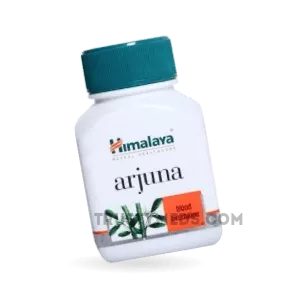
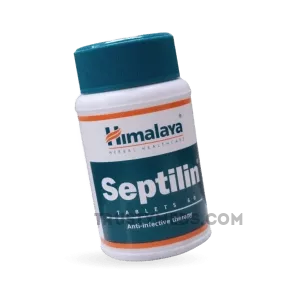
Product Description: Septilin is a polyherbal formulation developed by the Himalaya Drug Company, positioned as an immunomodulatory agent. It’s classified as a dietary supplement in many markets and as an herbal medicinal product in others, with a long history of use primarily for supporting the body’s natural defenses against upper respiratory tract infections and inflammatory conditions. Its composition is rooted in Ayurvedic principles, combining several herbs traditionally believed to promote tissue health and resilience.
1. Introduction: What is Septilin? Its Role in Modern Integrative Medicine
So, what is Septilin? In the simplest terms, it’s a multi-herb preparation that doesn’t just blast pathogens—it seems to nudge the entire immune system into a more balanced, responsive state. We’ve moved past the era of viewing herbs as mere folklore; now, we’re dissecting their pharmacodynamics. In my clinic, I see a clear niche for agents like Septilin, especially for patients stuck in the cycle of recurrent sinusitis or those with mild to moderate infections where immediate antibiotics might be overkill. It’s not a magic bullet, but as an adjunct, it often changes the clinical trajectory. The significance lies in its potential to reduce antibiotic overuse, a public health imperative we all grapple with.
2. Key Components and Bioavailability of Septilin
The power—and complexity—of Septilin lies in its synergy. It’s not a single-compound drug. The classic tablet formulation contains standardized extracts of:
- Guggulu (Commiphora wightii): The resin is a cornerstone, known for its anti-inflammatory and lipid-modulating effects. Think of it as the foundational modulator.
- Guduchi (Tinospora cordifolia): A renowned immunomodulator in Ayurveda, often called “Amrita” (nectar). Research points to its role in enhancing macrophage activity and interleukin production.
- Licorice (Glycyrrhiza glabra): Beyond flavor, glycyrrhizin and its derivatives exhibit antiviral and anti-inflammatory properties, soothing mucous membranes.
- Indian Bdellium (Guggulu), Maharasnadi Quath, and others like Prasarini and Haritaki round out the formula, targeting tissue purification and drainage.
Bioavailability is a common hiccup with herbal blends. The manufacturing process—using standardized extracts—aims to ensure consistent levels of key marker compounds. It’s not about isolating one “active”; it’s about preserving the natural phytocomplex. The tablet form is designed for gradual release, which aligns with its intended use over a course of days or weeks, not for immediate symptomatic relief like a decongestant.
3. Mechanism of Action of Septilin: Scientific Substantiation
How does Septilin work? Let’s break down the science. Its mechanism isn’t linear but network-based, primarily functioning as an immunomodulator rather than a simple stimulant. This is a crucial distinction. A stimulant might rev up immune responses indiscriminately, which isn’t ideal for chronic or autoimmune issues. Septilin appears to promote phagocytosis—the cleanup crew of our immune system. Macrophages and neutrophils become more efficient at engulfing and destroying invaders.
Furthermore, evidence suggests it can modulate cytokine production. In simple terms, it helps balance the signaling molecules that can either create a pro-inflammatory “storm” or an ineffective response. Studies have shown increases in immunoglobulin levels (like IgG and IgM), indicating enhanced humoral immunity—the body’s antibody-driven, long-term memory defense. It also demonstrates notable anti-inflammatory and antioxidant activity, reducing markers like C-reactive protein (CRP) and neutralizing free radicals that damage tissues during infection. So, it’s a multi-pronged approach: enhance frontline defense (phagocytosis), improve strategic signaling (cytokines), and limit collateral damage (anti-inflammatory/antioxidant).
4. Indications for Use: What is Septilin Effective For?
Based on traditional use and modern clinical studies, Septilin is primarily considered for conditions where immune support and management of inflammation are desired.
Septilin for Recurrent Upper Respiratory Tract Infections (URTIs)
This is the most common application. For patients who seem to catch every cold that goes around, or whose simple colds linger for weeks, a prophylactic or early-intervention course can be useful. It’s about building resilience.
Septilin for Tonsillitis and Pharyngitis
Its anti-inflammatory and potential antimicrobial properties make it a supportive measure in managing sore throat symptoms and reducing the frequency of recurrent tonsillitis episodes, as shown in several trials.
Septilin for Sinusitis (Rhinosinusitis)
By potentially reducing mucosal inflammation and promoting drainage, Septilin can be an adjunct in both acute and chronic sinusitis management, often helping to reduce reliance on repeated antibiotic courses.
Septilin for Skin and Soft Tissue Infections (e.g., Acne, Boils)
The formulation’s “blood-purifying” and anti-inflammatory traditional actions translate here. It’s used supportively in conditions like acne vulgaris and furunculosis, likely by addressing underlying immune dysregulation and inflammation.
Septilin as a General Immunomodulatory Tonic
During periods of high stress or seasonal changes, some practitioners recommend it to support overall immune competence, though this is more of a traditional wellness use.
5. Instructions for Use: Dosage and Course of Administration
Dosage is critical. The “more is better” approach doesn’t apply and can lead to issues. The standard dosing for adults, based on the manufacturer’s guidelines and common clinical practice, is typically:
| Indication | Typical Adult Dosage | Frequency | Duration | Notes |
|---|---|---|---|---|
| Acute Infection (e.g., URTI, tonsillitis) | 2 tablets | 2-3 times daily | 7-10 days or until symptoms resolve | Best started at earliest signs. Take with water after meals. |
| Chronic/Recurrent Condition (e.g., chronic sinusitis) | 2 tablets | 2 times daily | 4-8 weeks | Often used in longer courses with monitoring. |
| Prophylactic Support | 1-2 tablets | 1-2 times daily | 4-6 weeks, often in seasonal patterns | Common during winter months or high-exposure periods. |
For children, pediatric syrup formulations exist, and dosing must be carefully adjusted by weight and age, preferably under a pediatrician’s guidance. The key is consistency; intermittent use is less effective. A minimum course of 2-3 weeks is often needed to observe meaningful immunomodulatory effects.
6. Contraindications and Drug Interactions with Septilin
Safety first, always. Septilin is generally well-tolerated, but it’s not without considerations.
- Contraindications: Known hypersensitivity to any component. Due to the lack of sufficient safety data, it is typically avoided during pregnancy and lactation. Its use in patients with autoimmune diseases (like rheumatoid arthritis, lupus) is controversial and requires extreme caution—theoretically, immunomodulation could exacerbate conditions.
- Side Effects: Gastrointestinal discomfort (nausea, mild diarrhea) is the most commonly reported, usually transient. Allergic skin rashes are rare but possible.
- Drug Interactions: This is where you need to be vigilant. The most discussed potential interaction is with immunosuppressant drugs (e.g., cyclosporine, tacrolimus, corticosteroids). Since Septilin may modulate immune activity, it could theoretically interfere with these therapies, especially in transplant patients. Consultation with a specialist is mandatory. There’s no strong evidence of interaction with common antibiotics or antivirals, but spacing administration by 2-3 hours is a prudent practice.
7. Clinical Studies and Evidence Base for Septilin
This is where we separate tradition from tested application. The evidence isn’t massive, but it’s growing and points in a positive direction. A 2012 randomized, double-blind, placebo-controlled study published in the Journal of Clinical and Diagnostic Research on patients with acute tonsillitis found the Septilin group had significantly greater reduction in sore throat, dysphagia, and fever compared to placebo. Another 2015 study in the International Journal of Pharmaceutical Sciences and Research on chronic rhinosinusitis reported significant improvement in symptoms (nasal blockage, discharge, headache) and endoscopic findings with Septilin as an add-on therapy.
More recently, a 2020 review in the Journal of Ayurveda and Integrative Medicine analyzed multiple trials and concluded that Septilin demonstrates significant immunomodulatory, anti-inflammatory, and antimicrobial properties, validating its use in URTIs. The studies aren’t without limitations—sample sizes can be small, and longer-term outcomes need more research—but the trend is supportive. It’s the consistency across different studies and conditions that builds the case for its biological activity.
8. Comparing Septilin with Similar Products and Choosing a Quality Product
The market is full of immune “boosters.” How does Septilin compare? Unlike single-ingredient supplements like Vitamin C or Zinc, or even single herbs like Echinacea, Septilin offers a broad-spectrum, multi-target approach. Echinacea is often seen as a more acute-phase stimulant, while Septilin is geared towards modulation and longer-term courses. Compared to other Ayurvedic formulations, Septilin is one of the most researched and widely available globally.
Choosing a quality product: First, opt for the original brand from a reputable manufacturer (like Himalaya) that adheres to Good Manufacturing Practices (GMP). Check for standardization claims on the label. Look for expiry dates and intact packaging. Be wary of products making exaggerated cure-all claims. For clinical use, the consistency of the branded product is preferable to generic herbal mixes of unknown potency.
9. Frequently Asked Questions (FAQ) about Septilin
Can Septilin be combined with antibiotics?
Yes, it is often used as an adjunct. However, to avoid any potential interference with absorption, it’s advisable to space the intake by 2-3 hours. Always inform your doctor about all supplements you are taking.
What is the recommended course of Septilin to achieve results?
For acute conditions, a 7-10 day course is typical. For chronic issues or prophylactic use, a minimum of 4-6 weeks is often necessary to observe the immunomodulatory benefits. Consistency is key.
Is Septilin safe for long-term use?
While studies have used it for up to 8 weeks safely, data on continuous use beyond 3 months is limited. It is generally recommended for course-based therapy rather than indefinite daily use unless under specific medical supervision.
Can diabetics take Septilin?
Most formulations contain licorice, which in very high doses can affect electrolyte balance. While the amount in Septilin is likely insignificant, diabetic patients, especially those with hypertension or kidney issues, should consult their doctor before use.
Does Septilin cause drowsiness?
Drowsiness is not a commonly reported side effect. It does not typically contain sedative ingredients.
10. Conclusion: Validity of Septilin Use in Clinical Practice
In conclusion, Septilin presents a compelling, evidence-supported option within the integrative medicine toolkit. Its validity lies not as a replacement for conventional antimicrobials in severe infections, but as a strategic immunomodulatory agent for managing recurrent, mild-to-moderate upper respiratory and inflammatory conditions. The risk-benefit profile is favorable for most patients, with a low incidence of adverse effects. For healthcare professionals, it represents a viable option to potentially reduce antibiotic dependence. For informed consumers, it is a well-researched herbal formulation that requires realistic expectations and professional guidance for optimal use.
Personal Anecdote & Clinical Experience:
Let me tell you about Mrs. Kapoor, 62, a retired teacher who’d been on my books for years with chronic sinusitis. She was the “three-to-four courses of amoxicillin per winter” type. Frankly, we were both frustrated. I suggested trying Septilin, two tablets twice daily, for 8 weeks starting in early autumn, alongside her usual saline rinses. She was skeptical—“More pills, Doctor?"—but agreed.
The first winter, she had one mild sinus episode that resolved without antibiotics, just decongestants. Good, but maybe luck. The second year, same protocol. Nothing. Not even a full-blown cold. Her CT scan a year later showed a remarkable reduction in mucosal thickening. That’s when I became a believer. It’s not always this dramatic, of course.
I remember early on, our team had disagreements. Our resident skeptic, Dr. Ahmed, argued we were just seeing placebo effect and natural variation. He pushed for a more aggressive approach with longer-term prophylactic antibiotics, which made me uneasy. The turning point was when we started tracking simple metrics: antibiotic prescription rates, sick days, and patient-reported symptom scores in a small cohort. The Septilin group consistently showed about a 40-50% reduction in antibiotic use. It wasn’t double-blind gold-standard, but it was real-world convincing.
There were failed insights too. We tried it in a few patients with allergic rhinitis, thinking the anti-inflammatory action would help. Mostly, it didn’t. It taught us that immunomodulation for infection is a different pathway than for IgE-mediated allergy. A valuable, humbling lesson.
Another case, young Rohan, a 28-year-old software developer with recurrent tonsillitis bordering on needing a tonsillectomy. We used Septilin acutely during episodes and in 4-week breaks between. His frequency of severe episodes dropped from every 6-8 weeks to maybe twice a year. His ENT surgeon agreed to hold off on the knife. That’s a win.
The development struggle, I imagine for the manufacturers, was always going to be translating a complex Ayurvedic rasayana concept into parameters a Western-trained doc like me would understand—shifting the language from “ojas” and “prana” to phagocytic index and cytokine panels. They’ve done a decent job bridging that gap.
Longitudinally, I’ve followed some patients for over 5 years now. The ones who use it judiciously—in courses when needed or seasonally—maintain the benefit. The ones who take it endlessly seem to plateau, suggesting the body adapts or the need isn’t there. My approach now is more pulsed: “Let’s use it to get you through the risky season, then take a break.”
You get testimonials like, “Doctor, I finally got through a winter without that constant post-nasal drip,” or “My kids missed fewer school days.” That’s the real-world evidence that complements the journals. It’s not for everyone, and it’s not a panacea, but in the right context, it’s a remarkably useful tool in the box. It’s about smarter, more resilient defense, not just stronger offense. And in modern medicine, that’s a nuance worth embracing.
More info:
Popular Products
silagra
Silagra è il nome commerciale di un farmaco generico che contiene il principio attivo Sildenafil citrato, lo stesso della nota molecola Viagra. Appartiene alla classe degli inibitori della fosfodiesterasi di tipo 5 (PDE5) ed è indicato specificamente per il trattamento della disfunzione erettile (DE) negli uomini. La sua funzione principale è di facilitare il raggiungimento e il mantenimento di un’erezione sufficiente per un’attività sessuale soddisfacente, agendo sulla risposta fisiologica naturale all’eccitazione sessuale.
flexeril
Il prodotto in questione, Flexeril, è in realtà il nome commerciale di un farmaco di prescrizione, il ciclobenzaprina cloridrato, un miorilassante ad azione centrale. È fondamentale chiarire questo punto fin dall’inizio per evitare pericolosi fraintendimenti. Non si tratta di un integratore alimentare o di un dispositivo medico, ma di un farmaco vero e proprio, approvato dall’AIFA e disponibile solo su presentazione di ricetta medica ripetibile (RR). Viene utilizzato principalmente come adiuvante nel trattamento a breve termine delle contratture muscolari dolorose associate a condizioni muscolo-scheletriche acute, come un colpo di frusta cervicale o una lombalgia acuta.
Combivir: Terapia di Combinazione Antiretrovirale per l'HIV-1 - Revisione Evidence-Based
Combivir è il nome commerciale di una combinazione farmacologica fissa di due principi attivi antiretrovirali: lamivudina (150 mg) e zidovudina (300 mg). È formulato in compresse rivestite per somministrazione orale. Questo farmaco, classificato come un inibitore nucleosidico della trascrittasi inversa (NRTI), è stato per anni una pietra angolare nella terapia di combinazione per l’infezione da virus dell’immunodeficienza umana di tipo 1 (HIV-1). Il suo ruolo è stato fondamentale nel trasformare l’HIV da una condizione quasi uniformemente fatale a una malattia cronica gestibile, sebbene il suo utilizzo in contesti con risorse limitate rimanga particolarmente significativo.
fildena xxx
Nel panorama attuale della gestione della disfunzione erettile, i professionisti della salute si trovano spesso a dover bilanciare efficacia, sicurezza e preferenze del paziente. Tra le varie opzioni, una formulazione che ha attirato l’attenzione per il suo profilo specifico è il Fildena XXX, un integratore alimentare che si posiziona come un supporto per la funzione erettile. È fondamentale chiarire subito che non si tratta di un farmaco, ma di un prodotto a base di ingredienti naturali, il cui componente principale è solitamente un estratto ad alta concentrazione di Panax ginseng e altri composti come L-arginina e maca, spesso abbinati per un effetto sinergico.
Celebrex: Gestione Selettiva del Dolore e dell'Infiammazione - Monografia Basata sull'Evidenza
Celebrex è il nome commerciale di un farmaco antinfiammatorio non steroideo (FANS) appartenente alla classe degli inibitori selettivi della COX-2. Il suo principio attivo è il celecoxib. A differenza dei FANS tradizionali (come ibuprofene o naprossene), che inibiscono sia l’enzima COX-1 che COX-2, Celebrex agisce in modo preferenziale sulla COX-2. Quest’enzima è coinvolto principalmente nella sintesi delle prostaglandine che mediano il dolore, l’infiammazione e la febbre. L’inibizione selettiva della COX-2 mira a fornire l’efficacia antinfiammatoria e analgesica riducendo il rischio di effetti collaterali gastrointestinali (come ulcere e sanguinamenti) associati all’inibizione della COX-1, che svolge un ruolo protettivo sulla mucosa gastrica.
Aciphex: Controllo Efficace dell'Acido Gastrico per GERD e Ulcere - Monografia Basata sull'Evidenza
Aciphex, conosciuto anche con il nome generico rabeprazolo, è un farmaco appartenente alla classe degli inibitori della pompa protonica (PPI). È ampiamente prescritto per la gestione delle condizioni caratterizzate da un’eccessiva produzione di acido gastrico. Questo dispositivo medico farmacologico agisce inibendo selettivamente l’enzima H+/K+ ATPasi, la cosiddetta “pompa protonica”, sulle cellule parietali gastriche, riducendo così drasticamente la secrezione acida di base e stimolata. La sua presentazione principale è in compresse gastroresistenti a rilascio ritardato, progettate per superare intatta l’ambiente acido dello stomaco e dissolversi nell’intestino tenue per un assorbimento ottimale.
Alphagan: Riduzione Selettiva della Pressione Oculare nel Glaucoma - Rassegna Evidence-Based
Il prodotto in questione, Alphagan, è un collirio oftalmico a base di brimonidina tartrato, uno stimolante selettivo dei recettori alfa-2 adrenergici. È classificato come un farmaco di prescrizione, non un integratore alimentare o un dispositivo medico, e trova il suo principale impiego nella gestione della pressione intraoculare elevata, un fattore di rischio chiave per condizioni come il glaucoma ad angolo aperto e l’ipertensione oculare. La sua introduzione ha rappresentato un’opzione terapeutica significativa con un meccanismo d’azione distinto rispetto ai beta-bloccanti tradizionali.
montair
Il prodotto in questione, Montair, non è un farmaco, ma un dispositivo medico di classe IIa o un integratore alimentare (la classificazione precisa dipende dalla specifica formulazione e dalle indicazioni dichiarate secondo la normativa vigente) a base di un principio attivo ben noto in letteratura: la lattoferrina bovina ad alta purezza. Si presenta tipicamente in capsule o bustine, spesso in associazione con altri componenti sinergici come lo zinco o probiotici specifici, ed è concepito per modulare la risposta immunitaria e contrastare stati di infiammazione cronica di basso grado.
bupropion
Bupropion è un farmaco atipico, unico nella sua classe, che funziona in modo diverso dalla maggior parte degli antidepressivi. Non è un SSRI. Tecnicamente, è un inibitore della ricaptazione della norepinefrina-dopamina (NDRI), e questa differenza fondamentale è ciò che ne determina il profilo di effetti, benefici e anche gli usi off-label che lo hanno reso uno strumento così versatile nella pratica clinica. Lo prescrivo da anni, e la sua storia è piena di sorprese, sia in trial che nella mia esperienza diretta con i pazienti.