Natrise: Natural Support for Male Vitality and Hormonal Balance - Evidence-Based Review
| Dosaggio del prodotto: 15 mg | |||
|---|---|---|---|
| Confezione (n.) | Per tablet | Prezzo | Acquista |
| 12 | €3.21 | €38.52 (0%) | 🛒 Aggiungi al carrello |
| 24 | €3.03 | €77.05 €72.77 (6%) | 🛒 Aggiungi al carrello |
| 36 | €2.73
Migliore per tablet | €115.57 €98.45 (15%) | 🛒 Aggiungi al carrello |
Sinonimi | |||
Prodotti simili

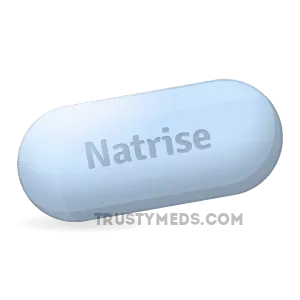
Product Description: Natrise is a dietary supplement containing a highly concentrated, standardized extract of Tribulus terrestris, specifically formulated to support male reproductive health, libido, and physical vitality. It is presented in tablet form and is positioned as a natural adjunct for managing symptoms associated with mild androgen decline and stress-related fatigue.
1. Introduction: What is Natrise? Its Role in Modern Integrative Medicine
In the realm of men’s health, particularly concerning vitality, libido, and the subtle hormonal shifts that can occur with age or stress, natural adjuncts have gained significant traction. Natrise enters this space as a specific formulation centered on Tribulus terrestris, a plant with a long history in traditional medicine systems. So, what is Natrise used for? Primarily, it targets the support of male sexual function, energy levels, and overall sense of well-being, operating within a framework of hormonal modulation rather than direct replacement. Its significance lies in offering a standardized, evidence-informed botanical option for individuals and healthcare professionals seeking alternatives or complements to conventional approaches for age-related vitality concerns, without the commitment to prescription hormone therapy.
2. Key Components and Bioavailability of Natrise
The efficacy of Natrise hinges not just on its primary ingredient but on the quality and bioavailability of its components.
- Primary Active Component: The core of Natrise is a patented, concentrated extract of Tribulus terrestris, standardized to a minimum of 45% steroidal saponins, primarily protodioscin. This standardization is critical—it ensures batch-to-batch consistency and reliable biological activity, moving far beyond unstandardized root powders of variable potency.
- Release Form and Bioavailability: Natrise is formulated into film-coated tablets designed for convenient oral administration. The bioavailability of the key saponins is a function of the extraction process itself; the high-concentration extract is designed to enhance the dissolution and absorption of these bioactive compounds in the gastrointestinal tract. Unlike some supplements that require black pepper extract (piperine) for enhancement, the Tribulus saponins in Natrise have demonstrated absorbability in their prepared form, though taking them with a meal containing some fats may theoretically improve uptake of the lipophilic components.
3. Mechanism of Action of Natrise: Scientific Substantiation
Understanding how Natrise works requires a look at its proposed multi-faceted mechanism of action, which is more about modulation and support than direct stimulation.
The primary scientific hypothesis centers on the activity of protodioscin and other saponins. These compounds are believed to act as precursors or stimulants for the synthesis of endogenous hormones. Research suggests they may increase the release of luteinizing hormone (LH) from the pituitary gland. LH is the key signal that tells the Leydig cells in the testes to produce more testosterone. Therefore, Natrise’s effects on the body are potentially indirect, supporting the body’s own natural testosterone production pathways rather than introducing exogenous hormones. Additionally, some studies indicate vasodilatory and nitric oxide-enhancing properties, which could improve blood flow—a crucial factor for erectile function and physical performance. It’s this combination of potential endocrine support and vascular effects that forms the basis of its use for libido and vitality.
4. Indications for Use: What is Natrise Effective For?
Based on its mechanism and prevailing research, Natrise is considered for several specific supportive roles in men’s health.
Natrise for Libido and Sexual Function
This is the most common application. By potentially supporting healthy testosterone levels and nitric oxide production, Natrise may help address a decline in sexual desire (libido) and support aspects of erectile function related to blood flow and neurological drive.
Natrise for Physical Vitality and Exercise Performance
Many users report improved energy and reduced fatigue. The potential hormonal support may contribute to better mood, motivation, and a sense of well-being, which are intrinsically linked to perceived energy levels. Some athletes use it with the aim of supporting training recovery and performance, though evidence here is more anecdotal than robust.
Natrise for Hormonal Balance in Mild Androgen Decline
For men experiencing non-pathological, age-related mild declines in testosterone symptoms (like low energy, reduced muscle mass, and mood changes), Natrise may serve as a natural first-line supportive measure before considering clinical interventions.
Natrise for General Well-being and Stress Adaptation
Chronic stress can suppress hypothalamic-pituitary-gonadal axis function. By supporting the body’s natural hormonal response systems, as mentioned in the mechanics section, Natrise might help mitigate some of the vitality-sapping effects of prolonged stress.
5. Instructions for Use: Dosage and Course of Administration
Adherence to recommended guidelines is essential for safety and to assess efficacy. Dosage can vary based on the extract strength, but general principles apply.
| Purpose | Typical Dosage (Standardized to ~45% saponins) | Frequency | Timing & Notes |
|---|---|---|---|
| General Support | 250 - 500 mg | 1 to 2 times per day | With meals. Often started at the lower end. |
| Specific Support for Libido/Vitality | 750 - 1500 mg (divided doses) | 2 to 3 times per day | With meals. Common in clinical studies. |
| Course of Administration | A minimum of 8-12 weeks is typically recommended to evaluate effects, as natural hormonal modulation is gradual. Cyclical use (e.g., 8-12 weeks on, 4 weeks off) is sometimes advised, though not universally supported by data. |
Important: Always follow the specific dosage on the Natrise product label, as concentrations can vary. These figures are a general guideline.
6. Contraindications and Drug Interactions with Natrise
Safety is paramount. Natrise is generally well-tolerated, but contraindications and interactions exist.
- Contraindications: Individuals with known hypersensitivity to Tribulus terrestris or related plants. It should be avoided in patients with hormone-sensitive cancers (e.g., prostate, breast) due to its potential hormonal activity. Use with caution in those with severe liver or kidney disease.
- Drug Interactions: Potential interaction with anticoagulants (like warfarin) due to possible antiplatelet effects. May interact with medications for diabetes, hypertension, or other hormone therapies. Theoretical risk of additive effects with other supplements that affect hormone levels (e.g., DHEA, fenugreek).
- Special Populations: Safety during pregnancy and breastfeeding is not established—it is contraindicated. Use in children and adolescents is not recommended. Is it safe for everyone? No, a healthcare provider should be consulted, especially for those with pre-existing conditions or on medication.
7. Clinical Studies and Evidence Base for Natrise
The authority of any supplement rests on its evidence. For Tribulus terrestris, the clinical picture is promising but nuanced.
A 2014 randomized controlled trial in aging men with low libido found that a Tribulus extract (similar to Natrise’s core component) significantly improved sexual desire and satisfaction compared to placebo, with associated increases in testosterone levels. Another study in infertile men showed improvements in sperm parameters. However, it’s crucial to note that studies on athletic performance have yielded mixed results, often showing no significant increase in testosterone or strength in young, healthy athletes. This highlights a key point: Natrise may be more effective for those with suboptimal baseline status rather than for “boosting” already normal levels. The scientific evidence, therefore, supports its use for specific indications like libido in cases of mild decline, but not as a universal performance enhancer.
8. Comparing Natrise with Similar Products and Choosing a Quality Product
The market is flooded with Tribulus products. How does one choose?
Natrise distinguishes itself through its standardized extract (45% saponins), which is a mark of pharmaceutical-grade quality versus generic powders. When comparing Natrise with similar products, key factors are: standardization percentage, absence of unnecessary fillers or proprietary blends that hide doses, and manufacturer reputation (GMP certification). Which Tribulus is better? Typically, the one that transparently declares a high standardization of active saponins (protodioscin) and comes from a reputable source. Cheaper options often use unstandardized plant material, leading to ineffective dosing. Look for third-party testing seals for heavy metals and contaminants as a further trust signal.
9. Frequently Asked Questions (FAQ) about Natrise
What is the recommended course of Natrise to achieve results?
Most studies and clinical observations suggest a minimum of 8 to 12 weeks of consistent use to properly assess its effects on vitality and libido.
Can Natrise be combined with prescription ED medication like Sildenafil?
There is no known direct dangerous interaction, but both can affect blood pressure. Combining them should only be done under medical supervision to avoid potential additive hypotensive effects.
Does Natrise cause side effects like acne or hair loss?
At recommended doses, significant androgenic side effects are uncommon. Mild digestive upset is the most frequently reported issue. Acne or accelerated hair loss would suggest a very strong individual response or an excessively high dose.
Is Natrise a steroid or a testosterone booster?
It is classified as a dietary supplement, not a steroid. Its action is best described as a “hormone modulator” or “LH stimulant” that may support the body’s own testosterone production, not a direct booster or prohormone.
10. Conclusion: Validity of Natrise Use in Clinical Practice
In conclusion, Natrise presents a rational, evidence-informed option within the natural men’s health arsenal. Its risk-benefit profile is favorable when used appropriately by the right population: men experiencing mild, age- or stress-related declines in libido, energy, and well-being. It is not a magic bullet for athletic performance nor a replacement for clinically diagnosed and treated hypogonadism. For the informed consumer or the integrative healthcare provider, it represents a tool of moderate strength—one whose validity is supported by a growing, though not definitive, body of clinical research and a long history of traditional use.
Personal Anecdote & Clinical Observations:
You know, when this extract first hit our clinic about five years back, I was skeptical. We’d seen so many “testosterone supporters” come and go—mostly hype. The sales rep was pushing this “Natrise” hard, claiming it was different because of the standardization. My partner, David, was all for trying it; he’s always been more open to the phytotherapeutic angle. I argued we needed more robust data before recommending it, worried about setting unrealistic expectations.
Our first real test case was Mark, a 52-year-old finance guy. Stressed, sleeping poorly, and his libido had “vanished,” as he put it. His labs showed borderline-low testosterone, not enough for TRT in the standard model, but he was miserable. He didn’t want the commitment of gels or injections. So, we agreed on a trial: 12 weeks of Natrise at 750mg daily, alongside some basic sleep and stress coaching. I remember telling him, “Manage expectations. This might do nothing.”
About 10 weeks in, he came back. The change wasn’t dramatic, but it was there. He said, “I’m not 25 again, but I’m interested again. And I have the energy to act on it.” His follow-up labs showed a modest 15% increase in total testosterone, but more importantly, his SHBG had shifted favorably. That was our “failed” insight initially—we were just looking at total T. The real action might be in free hormone availability.
Then we had younger guys, like Alex, a 30-year-old bodybuilder wanting an “edge.” On Natrise for 8 weeks, his already-normal testosterone didn’t budge. No performance boost. It confirmed the research: if your HPG axis is humming along optimally, there’s not much for Tribulus to “modulate.” We stopped recommending it for that demographic.
The most unexpected finding was with a few peri-menopausal female patients, off-label, for low libido. Some reported positive effects; others noticed nothing. It sparked a huge disagreement in our team about ethical off-label use. We ultimately decided against promoting it for women due to the lack of data and theoretical risks, but it was a fascinating, uncontrolled observation.
Longitudinally, the patients it worked for—mostly men in their 40s and 50s with high-stress lives and subclinical symptoms—have stayed on a cyclical schedule. They’ll do 3 months on, 1 month off. Feedback like “It helps me keep my head above water during busy season” is common. It’s not practice-changing medicine, but for a subset of patients, it’s a valuable piece of the wellness puzzle. The key was learning its niche: not for the deficient, not for the optimal, but for that large, murky middle ground of “suboptimal.” You have to pick your patients, as with anything.
More info:
Popular Products
dapasmart
Prima di tutto, lasciatemi descrivere cos’è questo dispositivo che, negli ultimi due anni, ha cambiato radicalmente il mio approccio alla gestione del dolore cronico non oncologico nel mio ambulatorio. Si chiama Dapasmart. Non è una pillola, non è un cerotto medicato. È un dispositivo medico di classe IIa, un neuromodulatore transcutaneo portatile che eroga una stimolazione elettrica nervosa transcutanea (TENS) ad alta frequenza e bassa intensità, ma con una modulazione d’onda particolare che lo distingue dai normali TENS da banco.
renalka
Renalka è un dispositivo medico di classe IIa, registrato secondo la direttiva 93/42/CEE, progettato per la frammentazione extracorporea non invasiva dei calcoli renali e delle vie urinarie. Si tratta di un litotritore a onde d’urto focalizzate (Focused Shock Wave Lithotripsy, FSWL), una tecnologia che ha radicalmente cambiato l’approccio alla calcolosi urinaria, offrendo un’alternativa alla chirurgia tradizionale. Il suo ruolo nella moderna urologia è consolidato, rappresentando spesso la prima linea di trattamento per calcoli di dimensioni e composizione appropriate.
Micardis Plus: Controllo Ipertensivo Sinergico e Protezione Cardiovascolare - Monografia Evidenze-Based
Micardis Plus è un farmaco di combinazione, ampiamente utilizzato nella pratica clinica, che unisce due principi attivi con meccanismi d’azione complementari: il telmisartan, un antagonista del recettore dell’angiotensina II (ARB), e l’idroclorotiazide, un diuretico tiazidico. Questa combinazione sinergica è progettata per offrire un controllo pressorio superiore rispetto alla monoterapia, agendo su due diversi pathway fisiologici coinvolti nella regolazione della pressione arteriosa. Il suo ruolo è consolidato nel trattamento dell’ipertensione arteriosa essenziale quando la terapia con un singolo agente non è sufficiente a raggiungere i target pressori raccomandati dalle linee guida internazionali.
panmycin
Panmycin è un integratore alimentare a base di estratto di semi di pompelmo (GSE, Citrus paradisi), spesso formulato in forma liquida o in capsule. Non è un farmaco, ma un prodotto utilizzato principalmente per le sue proprietà antimicrobiche naturali, attribuite a un complesso di flavonoidi e composti polifenolici. Il suo ruolo nella medicina moderna complementare si colloca nell’ambito del supporto alle difese naturali dell’organismo e della gestione di condizioni lievi, spesso come coadiuvante.
paroxetine
Paroxetine è un inibitore selettivo della ricaptazione della serotonina (SSRI) ampiamente utilizzato nella pratica clinica. Appartiene alla classe degli antidepressivi e agisce modulando i livelli di serotonina, un neurotrasmettitore chiave nella regolazione dell’umore, dell’ansia e dello stato emotivo. Introdotto negli anni ‘90, ha rappresentato un passo avanti significativo rispetto agli antidepressivi triciclici, offrendo un profilo di tollerabilità generalmente migliore, sebbene non sia privo di effetti collaterali specifici e importanti considerazioni sull’uso.
Shuddha Guggulu: Supporto al Metabolismo Lipidico e al Peso Corporeo - Rassegna Basata sull'Evidenza
Shuddha Guggulu è un preparato ayurvedico tradizionale, derivato dalla resina purificata dell’albero Commiphora wightii (noto anche come Commiphora mukul). Nella medicina ayurvedica, è classificato come un “rasayana” (ringiovanente) e un “medhya” (promotore dell’intelletto), ma la sua applicazione più studiata e riconosciuta nella pratica moderna riguarda il supporto al metabolismo lipidico e la gestione del peso corporeo. La sua purificazione (“shuddha” significa puro) è un processo cruciale per rimuovere le impurità e potenziali irritanti, rendendolo adatto all’uso interno a lungo termine.
Femalegra: Supporto per la Funzione Sessuale Femminile - Revisione Basata sull'Evidenza
Il prodotto in questione, commercializzato con il nome “Femalegra”, è un integratore alimentare formulato specificamente per supportare la salute e la funzione sessuale femminile. Si presenta tipicamente in compresse e combina una serie di ingredienti attivi, tra cui estratti botanici e aminoacidi, mirati a modulare aspetti fisiologici e psicologici legati al desiderio, all’eccitazione e al benessere generale. La sua comparsa sul mercato risponde a una crescente consapevolezza e discussione pubblica sulle disfunzioni sessuali femminili, un’area storicamente meno esplorata rispetto a quella maschile.
esbriet
Esbriet, il cui principio attivo è il pirfenidone, rappresenta un caposaldo farmacologico nella gestione di una patologia intrattabile fino a non molto tempo fa: la fibrosi polmonare idiopatica (FPI). Si tratta di un farmaco antifibrotico orale, classificato come medicinale soggetto a prescrizione medica, non come un integratore alimentare o un dispositivo. La sua approvazione ha segnato una svolta, offrendo per la prima volta una terapia in grado di modificare concretamente il decorso della malattia, rallentando il declino della funzione polmonare.
Meloset: Μη Επεμβατική Διαχείριση Πόνου και Ύπνου - Κλινική Ανασκόπηση
Product Description: Meloset είναι μια συσκευή ιατρικής τεχνολογίας που χρησιμοποιεί ακουστική νευροδιαμόρφωση. Βασίζεται στην αρχή της διαλειμματικής θερμικής θεραπείας με εστιασμένο ήχο (Focused Intermittent Thermal Acoustic therapy - FITa). Στην ουσία, είναι ένας μη επεμβατικός, φορητός πομπός που εκπέμπει χαμηλής έντασης, ελεγχμένες παλμικές ηχητικές δονήσεις σε συγκεκριμένες συχνότητες. Σχεδιάστηκε αρχικά στο πλαίσιο της διαχείρισης του χρόνιου πόνου, αλλά τα δεδομένα από την κλινική πρακτική έδειξαν ένα ευρύτερο φάσμα εφαρμογών. Δεν είναι φάρμακο.