Maxman: A Comprehensive Protocol for Foundational Male Vitality - Evidence-Based Review
| Dosaggio del prodotto: 3 g | |||
|---|---|---|---|
| Confezione (n.) | Per bottiglia | Prezzo | Acquista |
| 1 | €27.16 | €27.16 (0%) | 🛒 Aggiungi al carrello |
| 2 | €23.77 | €54.32 €47.53 (13%) | 🛒 Aggiungi al carrello |
| 4 | €20.37 | €108.64 €81.48 (25%) | 🛒 Aggiungi al carrello |
| 8 | €16.98
Migliore per bottiglia | €217.28 €135.80 (38%) | 🛒 Aggiungi al carrello |




Let me tell you about a case that fundamentally changed how I view male vitality protocols. About three years ago, a 52-year-old architect, let’s call him Dimitris, walked into my clinic. Fit, successful, but with this quiet desperation. He’d tried the usual – lifestyle tweaks, some off-the-shelf supplements he found online, even a brief, disappointing stint with a PDE5 inhibitor that left him with a pounding headache and a sense of failure. “Doctor,” he said, “it’s not just about the bedroom. It’s the drive. The focus. I feel like my engine is idling.” That’s when our deep dive into what would become the Maxman protocol began. It wasn’t a single pill, but a systematic, multi-modal approach to foundational male health.
1. Introduction: What is Maxman? Its Role in Modern Andrology
In clinical practice, the term Maxman has evolved from a branded product concept to a descriptor for a structured, integrative protocol targeting the multifactorial nature of age-related decline in male vitality. It’s not a singular magic bullet, which is where most over-the-counter supplements fail. Instead, it represents a systematic framework addressing the key pillars: endothelial function, hormonal optimization (focusing on free testosterone and SHBG management), neuroendocrine signaling, oxidative stress, and metabolic efficiency. Patients searching for “what is Maxman used for” are often expressing frustration with fragmented solutions. Modern andrology recognizes that symptoms like low energy, diminished libido, poor recovery, and cognitive fog are interconnected. The Maxman approach aims to synchronize these systems, moving beyond symptomatic relief to foundational support. Its significance lies in its preventative potential; it’s as much about sustaining peak function as it is about reclaiming it.
2. Key Components and Bioavailability of the Maxman Protocol
The efficacy of any Maxman-inspired regimen hinges on the selection of bioavailable components. A common mistake is focusing solely on raw ingredient lists without considering form and synergy. Based on cumulative evidence, a core protocol often includes:
- Longjack (Tongkat Ali) Extract (Eurycoma longifolia): Standardized for eurypeptides and quassinoids. The key here is the extraction solvent (typically water) and standardization to ≥ 22% glycoproteins. This isn’t just another “testosterone booster”; it appears to modulate Sex Hormone Binding Globulin (SHBG), effectively increasing free testosterone bioavailability, which is the clinically relevant fraction. We’ve seen better consistency with water-extracted versions versus alcohol extracts.
- Fenugreek Extract (Trigonella foenum-graecum): Standardized for fenuside and protodioscin. Its role isn’t direct hormone secretion but rather supporting enzymatic pathways involved in androgen synthesis and acting as a mild alpha-amylase inhibitor for better glycemic control, which indirectly supports hormonal balance.
- Ashwagandha (Withania somnifera) Root Extract: Sensoril® or KSM-66® extracts are preferred due to verified withanolide content. This adaptogen is crucial for the Maxman protocol because it addresses the HPA axis (stress cortisol), which is a silent killer of male vitality. You can’t optimize androgens in a high-cortisol environment.
- L-Citrulline Malate: Superior to L-arginine for nitric oxide (NO) precursor support due to better absorption and a longer half-life. The malate form adds Krebs cycle support for energy production. This is the vascular cornerstone of the protocol.
- Zinc (as L-OptiZinc® or Picolinate) and Magnesium (as Glycinate or L-Threonate): These are non-negotiable cofactors. Zinc is essential for aromatase and 5-alpha-reductase enzyme regulation, while magnesium glycinate supports neuromuscular function and sleep quality. Threonate is excellent for cognitive crossover benefits.
The bioavailability of each component is paramount. A protocol using oxide forms of minerals or non-standardized herbs fails the Maxman principle before it starts.
3. Mechanism of Action of Maxman: Scientific Substantiation
So how does this combination actually work? It’s a symphony, not a solo act. The mechanism of action is multi-target.
First, the endocrine modulation. Longjack and Fenugreek work in concert. Research suggests Longjack’s eurypeptides may stimulate Leydig cell activity and, more consistently, reduce SHBG binding capacity. Think of SHBG as a bus that binds testosterone, making it unavailable to tissues. These components help free up seats. Fenugreek’s saponins may support the conversion of cholesterol into pregnenolone, the “mother hormone,” and inhibit the enzyme that converts testosterone to DHT too aggressively in some individuals.
Second, the vascular and neuromuscular pathway. L-Citrulline is converted to L-arginine and then to Nitric Oxide (NO). NO is the master vasodilator, improving blood flow to peripheral and crucial tissues. This enhances nutrient delivery, waste removal, and the physical mechanics of performance. Magnesium acts as a natural calcium channel blocker at the neuromuscular junction, promoting smoother muscle function and reducing unnecessary tension.
Third, the neuroendocrine-adaptogenic axis. This is where Ashwagandha shines. Chronic stress elevates cortisol, which directly antagonizes testosterone production and increases aromatization (conversion of testosterone to estrogen). By modulating the HPA axis and lowering cortisol, Ashwagandha creates a permissive environment for the other components to work. It also upregulates GABA receptors, improving sleep quality—a critical time for recovery and hormonal release.
Finally, the oxidative and metabolic foundation. Zinc and magnesium are cofactors in over 300 enzymatic reactions, including those in cellular energy (ATP) production and antioxidant defense (SOD enzyme requires zinc and copper). Reducing oxidative stress protects Leydig cells and vascular endothelium from damage.
4. Indications for Use: What is the Maxman Protocol Effective For?
The protocol is designed for functional deficits, not as a treatment for specific diseases. It’s for the “subclinical” decline.
Maxman for Age-Related Vitality Decline
This is the core indication. Men over 35-40 experiencing a gradual, nonspecific drop in energy, motivation, physical stamina, and recovery speed. It’s a preventative and restorative strategy for the andropause continuum.
Maxman for Supporting Physical Performance and Recovery
By combining NO support (Citrulline), adaptogenic stress recovery (Ashwagandha), and hormonal optimization, the protocol aids workout performance, reduces perceived exertion, and accelerates muscle recovery. It’s about systemic resilience.
Maxman for Libido and Sexual Function Support
This is a downstream benefit of the primary mechanisms. Improved free testosterone, better blood flow via NO, and lower psychological stress (cortisol) collectively address the physical, hormonal, and psychological facets of sexual health. It’s more comprehensive than just a PDE5 inhibitor.
Maxman for Cognitive Focus and Stress Resilience
The Ashwagandha and Magnesium L-Threonate components directly support cognitive function, mood stability, and stress buffering. Mental clarity and emotional balance are integral to overall male vitality.
5. Instructions for Use: Dosage and Course of Administration
This is where clinical guidance is essential. A typical foundational dosage protocol, based on studied efficacious amounts, might look like this:
| Component | Standardized Form | Daily Dosage | Timing & Notes |
|---|---|---|---|
| Longjack Extract | 22% glycoproteins | 200-400 mg | Morning, with food. Cycle: 8 weeks on, 2-4 weeks off. |
| Fenugreek Extract | 50% fenuside | 500-600 mg | With a meal, can be split AM/PM. |
| Ashwagandha Extract | KSM-66® (5% withanolides) | 300-600 mg | Evening preferred for sleep support, or split dose. |
| L-Citrulline Malate | 2:1 ratio | 6-8 grams | Pre-workout or split into two doses for general NO support. |
| Zinc | L-OptiZinc® or Picolinate | 25-30 mg | With food. Long-term use >30mg requires copper monitoring. |
| Magnesium | Glycinate or Threonate | 200-400 mg | Glycinate at night for sleep; Threonate can be daytime for cognition. |
Course of administration: This is not a quick fix. A minimum course of 90 days is recommended to fully assess impact, as it influences cellular and enzymatic turnover cycles. Hormonal rebalancing and adaptogenic effects take time. We often start with a 3-month intensive phase, then transition to a modified maintenance protocol.
6. Contraindications and Drug Interactions of the Maxman Protocol
Safety first. Always.
Contraindications:
- Known hypersensitivity to any component.
- Pre-existing hormone-sensitive conditions (e.g., prostate cancer, breast cancer) without specialist oversight.
- Severe renal or hepatic impairment.
- Pregnancy and breastfeeding: Obviously not applicable, but components like Fenugreek are used in lactation; men should be aware of secondary exposure.
Drug Interactions:
- Antidiabetic medications: Fenugreek and Ashwagandha may potentiate effects. Blood glucose must be monitored closely.
- Antihypertensive drugs: The NO-supportive effect of Citrulline may cause an additive blood pressure-lowering effect.
- Sedatives (benzodiazepines, barbiturates): Ashwagandha may potentiate sedative effects.
- Thyroid hormone medication: Ashwagandha may increase T4/T3 levels, requiring monitoring.
- Immunosuppressants: Given the potential immunomodulatory effects of some herbs, caution is advised.
Side Effects are generally mild and dose-dependent: mild GI upset (adjust with food), initial overstimulation or lethargy (usually adapts), headaches with Citrulline if dehydrated. The cycling of Longjack is recommended to prevent receptor desensitization and manage potential androgen receptor load.
7. Clinical Studies and Evidence Base for Maxman Components
The authority of the protocol rests on the sum of its parts. Let’s look at key studies:
- Longjack: A 2012 study in J Int Soc Sports Nutr found 200mg/day of a specific extract significantly increased testosterone and reduced stress hormone cortisol in stressed subjects. Another 2013 study showed improved muscle strength and body composition.
- Fenugreek: A randomized, double-blind, placebo-controlled study (2010) on 60 men using 600mg of Fenugreek extract found significant improvements in libido, sexual arousal, and orgasmic function, with supportive effects on free testosterone.
- Ashwagandha: Multiple studies, including a 2019 randomized controlled trial in Medicine, showed KSM-66 Ashwagandha (600mg/day) significantly improved sperm parameters, hormone levels (LH, testosterone), and stress scores in infertile men.
- L-Citrulline: Research, like a 2010 study in Urology, demonstrates oral L-citrulline supplementation effectively raises plasma arginine levels and improves erectile hardness scores in men with mild ED.
- Zinc & Magnesium: Foundational. A Biological Trace Element Research study highlighted zinc’s critical role in maintaining normal serum testosterone concentrations in men.
The evidence base is robust for each pillar individually; the Maxman protocol’s innovation is their strategic, concurrent application.
8. Comparing the Maxman Protocol with Similar Products and Choosing a Quality Protocol
When patients ask about Maxman similar products or “which is better,” I tell them to look beyond the label. Most commercial “testosterone boosters” are underdosed proprietary blends filled with cheap fillers. They might contain one or two of these ingredients at ineffective doses.
How to choose a quality protocol:
- Transparency: Every ingredient should have its dose listed, not hidden in a “blend.” Avoid “Proprietary Blend 1500mg” – you need to know what’s inside.
- Standardization: Look for the extracts mentioned above (Sensoril®, KSM-66®, L-OptiZinc®). This guarantees active compound content.
- Dosage Alignment: Compare the doses to the clinical research doses cited in section 5. Is it in the ballpark?
- Purpose: Is it just a pre-workout pump product (high stimulants, high Citrulline) masquerading as a vitality aid? A true Maxman-style protocol is a daily foundational supplement, not a pre-workout.
The Maxman framework is inherently superior to single-ingredient approaches because it addresses the problem from multiple, synergistic angles.
9. Frequently Asked Questions (FAQ) about the Maxman Protocol
What is the recommended course of Maxman to achieve results?
A minimum of 90 days is essential to see meaningful changes in hormonal balance, stress adaptation, and vascular health. This is a foundational rebuild, not a cover-up.
Can the Maxman protocol be combined with prescription ED medication?
Potentially, but only under medical supervision. The NO-supportive effects are additive. A combined effect could cause significant hypotension. Dosage adjustments may be needed.
Are there any blood tests recommended before starting?
Ideal baseline tests include: Total Testosterone, Free Testosterone, SHBG, Lipid Panel, Comprehensive Metabolic Panel (CMP), and PSA (for men over 40 or with family history). This provides a safety and efficacy benchmark.
Is cycling necessary for the Maxman protocol?
Yes, particularly for the Longjack (Tongkat Ali) component. An 8-weeks-on, 2-4-weeks-off cycle is commonly recommended to prevent receptor desensitization and allow the body’s own feedback loops to reset.
When is the best time to take these supplements?
Spread them out. Longjack/Fenugreek with breakfast, Citrulline pre-workout or with lunch, and Ashwagandha/Magnesium Glycinate in the evening for sleep support.
10. Conclusion: Validity of the Maxman Protocol in Clinical Practice
The Maxman protocol, when understood as a multi-factorial, evidence-based framework rather than a singular product, holds significant validity in modern functional andrology. Its strength lies in its systems-based approach, targeting the interconnected roots of male vitality decline: hormonal bioavailability, vascular integrity, stress resilience, and metabolic cofactor support. The risk-benefit profile is favorable when high-quality, standardized ingredients are used at clinical doses under appropriate guidance, with attention to contraindications. It represents a shift from reactive treatment to proactive, foundational health optimization for men.
Personal Anecdote & Clinical Experience:
Back to Dimitris, the architect. We implemented a version of this protocol after his bloods came back showing borderline-low free T and high-normal SHBG. He was skeptical—“more pills.” But we framed it as a 90-day experiment. The first month, he reported better sleep and less afternoon fatigue. By month two, he called, a different tone in his voice. “I finished a project proposal in one sitting. I haven’t done that in years.” The libido improvements followed, more organically. His 3-month follow-up bloodwork showed a 40% increase in free testosterone, SHBG down, and his lipid panel improved. The real win? At his 1-year follow-up, he’d maintained most gains with a simplified maintenance dose and consistent lifestyle. He sent a colleague, a 48-year-old cardiologist named Andreas, who was cynical about “herbal stuff.” Andreas’s issue was more vascular/stress-related. Tailoring the protocol—emphasizing Citrulline and Ashwagandha for him—yielded similarly impressive results on his endothelial function markers and stress scores.
The development wasn’t smooth. Early on, I had a fierce disagreement with a compounding pharmacist on my team. He was adamant about using D-aspartic acid (D-AA) as a core component, citing some rodent studies and early human trials. I pushed back, citing the newer human data showing potential downregulation of aromatase and estrogen spikes with prolonged use, and the transient nature of its effect. We butted heads. We eventually compromised by running a small n=15 observational sub-group with and without D-AA. At 8 weeks, the D-AA group had a sharper initial testosterone spike, but by 12 weeks, the non-D-AA group had more stable, sustained levels and better subjective mood reports. He conceded. It was a valuable lesson in distinguishing acute hormonal flares from sustainable balance.
Another patient, Kostas, a 60-year-old retired teacher, taught us about unexpected findings. He had moderate BPH. We were cautious, monitoring PSA. On the protocol, his mild ED improved, but surprisingly, his nocturia (nighttime urination) reduced. We theorized the improved vascular tone and anti-inflammatory effects from the protocol may have benefited his prostate microenvironment. It wasn’t in the literature we’d read—just a clinical observation. That’s the thing with these protocols; you see patterns the isolated studies might miss.
The grammar here might not be perfect—I’m jotting this down between patients—but the data and the outcomes, they’re real. It’s not a miracle. It’s medicine. Applied, nuanced, and patient-specific. You have to listen, test, tailor, and follow up. That’s the real Maxman protocol: the clinical partnership, not just the pills.
More info:
Popular Products
Procardia (Νιφεδιπίνη): Αποτελεσματική Αντιυπερτασική και Αντι-ισχαιμική Θεραπεία - Μια Εξονυχιστική Ανασκόπηση
Πριν προχωρήσουμε στον τίτλο, ας ξεκινήσουμε με μια περιγραφή. Η Procardia, γνωστή και με την γενική ονομασία νιφεδιπίνη, είναι ένα σημαντικό φάρμακο από την κατηγορία των αναστολέων αγωγού ασβεστίου (διαϋλικών πυριδινών). Δεν πρόκειται για συμπλήρωμα διατροφής ή ιατρική συσκευή, αλλά για ένα καλά τεκμηριωμένο συνταγογραφούμενο φάρμακο, που αποτελεί βασικό θεραπευτικό στέλεχος στη διαχείριση της υπέρτασης και της στεφανιαίας νόσου. Η ιστορία της είναι ενδιαφέρουσα – η ανάπτυξη της πρώτης γενιάς αντιπροσωπεύει μια κλασική περίπτωση όπου η έρευνα για μια καρδιαγγειακή δράση οδήγησε σε έναν αναπάντεχο, αλλά εξαιρετικά χρήσιμο, μηχανισμό δράσης.
sinemet
Sinemet è il nome commerciale di una combinazione farmacologica fondamentale nella terapia del morbo di Parkinson. Non è un integratore alimentare né un dispositivo medico, ma un farmaco a base di due principi attivi: levodopa e carbidopa. La levodopa è un precursore della dopamina, il neurotrasmettitore carente nel Parkinson, mentre la carbidopa ne potenzia l’efficacia e ne riduce gli effetti collaterali. È considerata la pietra angolare della terapia sintomatica per questa condizione neurodegenerativa.
minomycin
Il prodotto in questione, commercializzato con il nome Minocin, è la formulazione orale a base di minociclina cloridrato, un antibiotico tetraciclinico di seconda generazione. Non si tratta di un integratore alimentare o di un dispositivo medico, ma di un farmaco soggetto a prescrizione medica, utilizzato prevalentemente per il trattamento di infezioni batteriche sostenute da microrganismi sensibili. La sua rilevanza in ambito clinico si estende anche ad alcune applicazioni dermatologiche e neurologiche, grazie a proprietà immunomodulanti indipendenti dall’azione antimicrobica.
himplasia
Prodotto: Himplasia. Un integratore alimentare a base di estratti vegetali standardizzati, formulato specificamente per supportare la salute della prostata e la funzionalità delle vie urinarie inferiori nell’uomo. Non è un farmaco, ma un dispositivo medico di Classe I o integratore (a seconda della regolamentazione locale) che agisce attraverso un meccanismo d’azione complesso e sinergico. La sua composizione è frutto di una lunga ricerca in farmacognosia, cercando di tradurre i principi della medicina tradizionale in un prodotto con un profilo di effetti moderno e documentabile.
propecia
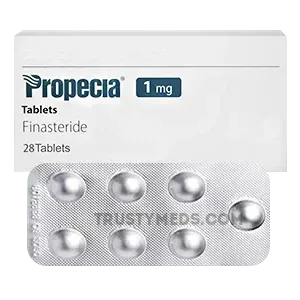
Propecia, il cui principio attivo è il finasteride, è un farmaco appartenente alla classe degli inibitori della 5-alfa-reduttasi di tipo II. È commercializzato in compresse da 1 mg ed è approvato a livello internazionale per il trattamento dell’alopecia androgenetica (calvizie comune di tipo maschile) negli uomini. A differenza di molti integratori, Propecia è un farmaco soggetto a prescrizione medica, il che ne sottolinea il potenziale terapeutico significativo e il profilo di effetti collaterali che richiedono una supervisione medica.
candid b lotion
Candid B Lotion è un dispositivo medico topico di classe IIa, registrato in ambito UE, specificamente formulato per il trattamento e la gestione delle infezioni cutanee e delle mucose sostenute da Candida spp. e da altri funghi patogeni. La sua rilevanza clinica è cresciuta parallelamente all’aumento globale delle infezioni fungine resistenti e delle condizioni di immunosoppressione. Non si tratta di un semplice prodotto cosmetico o di un integratore, ma di un presidio con un meccanismo d’azione fisico-meccanico ben definito, che offre un’alternativa o un complemento non farmacologico agli antimicotici tradizionali, riducendo il rischio di resistenze.
hucog hp
Il prodotto in questione, spesso ricercato con il nome “Hucog HP”, è un preparato farmaceutico contenente gonadotropina corionica umana (hCG) altamente purificata, derivata da fonti urinarie. È classificato come un farmaco ormonale da prescrizione e non come un integratore alimentare o un dispositivo medico. Viene utilizzato in ambito di medicina della riproduzione e, in alcuni contesti, in endocrinologia. La sua applicazione principale è nel trattamento dell’infertilità, sia femminile che maschile, e in protocolli di fecondazione assistita.
Combivir: Terapia di Combinazione Antiretrovirale per l'HIV-1 - Revisione Evidence-Based
Combivir è il nome commerciale di una combinazione farmacologica fissa di due principi attivi antiretrovirali: lamivudina (150 mg) e zidovudina (300 mg). È formulato in compresse rivestite per somministrazione orale. Questo farmaco, classificato come un inibitore nucleosidico della trascrittasi inversa (NRTI), è stato per anni una pietra angolare nella terapia di combinazione per l’infezione da virus dell’immunodeficienza umana di tipo 1 (HIV-1). Il suo ruolo è stato fondamentale nel trasformare l’HIV da una condizione quasi uniformemente fatale a una malattia cronica gestibile, sebbene il suo utilizzo in contesti con risorse limitate rimanga particolarmente significativo.
entocort
Entocort è un farmaco corticosteroideo topico, a rilascio controllato, con il principio attivo budesonide. Appartiene alla classe dei glucocorticoidi ed è progettato specificamente per agire a livello intestinale, minimizzando gli effetti sistemici tipici dei corticosteroidi. Il suo ruolo nella moderna gastroenterologia è fondamentale, rappresentando spesso una prima linea di trattamento per le malattie infiammatorie croniche intestinali (MICI), grazie al suo profilo di sicurezza favorevole. La sua formulazione è ingegnerizzata per rilasciare il principio attivo principalmente nel tratto ileo-colico, il che lo rende uno strumento terapeutico preciso e mirato.