Lady Era: Support for Female Sexual Well-Being - An Evidence-Based Review
| Dosaggio del prodotto: 100mg | |||
|---|---|---|---|
| Confezione (n.) | Per compresse | Prezzo | Acquista |
| 30 | €1.44 | €43.24 (0%) | 🛒 Aggiungi al carrello |
| 60 | €1.16 | €86.48 €69.52 (20%) | 🛒 Aggiungi al carrello |
| 90 | €1.06 | €129.72 €94.96 (27%) | 🛒 Aggiungi al carrello |
| 120 | €1.00 | €172.96 €120.39 (30%) | 🛒 Aggiungi al carrello |
| 180 | €0.95 | €259.44 €171.26 (34%) | 🛒 Aggiungi al carrello |
| 270 | €0.92 | €389.16 €247.57 (36%) | 🛒 Aggiungi al carrello |
| 360 | €0.90
Migliore per compresse | €518.87 €323.87 (38%) | 🛒 Aggiungi al carrello |
| Dosaggio del prodotto: 50mg | |||
|---|---|---|---|
| Confezione (n.) | Per compresse | Prezzo | Acquista |
| 60 | €0.90 | €54.26 (0%) | 🛒 Aggiungi al carrello |
| 90 | €0.83 | €81.39 €74.61 (8%) | 🛒 Aggiungi al carrello |
| 120 | €0.78 | €108.52 €93.26 (14%) | 🛒 Aggiungi al carrello |
| 180 | €0.73 | €162.78 €131.41 (19%) | 🛒 Aggiungi al carrello |
| 270 | €0.69 | €244.18 €187.37 (23%) | 🛒 Aggiungi al carrello |
| 360 | €0.68
Migliore per compresse | €325.57 €244.18 (25%) | 🛒 Aggiungi al carrello |
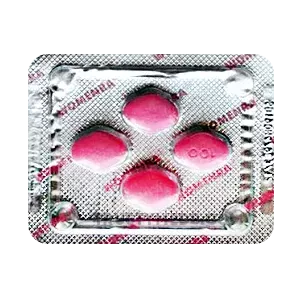
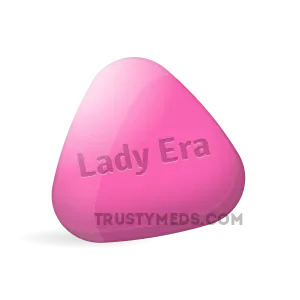
Product Description: Lady Era is a dietary supplement specifically formulated to address aspects of female sexual health and vitality. It is presented in tablet form and is positioned within the growing category of nutraceuticals aimed at supporting female sexual function, libido, and overall intimate well-being. Unlike prescription medications, it is composed of a blend of vitamins, minerals, and herbal extracts purported to work synergistically.
1. Introduction: What is Lady Era? Its Role in Modern Women’s Health
The conversation around female sexual health has evolved significantly, moving beyond purely psychological frameworks to include physiological and biochemical dimensions. Into this space enters Lady Era, a dietary supplement marketed to support various facets of female sexual well-being. So, what is Lady Era? Fundamentally, it is a multi-ingredient formula designed to address concerns like diminished libido, reduced arousal, and overall sexual dissatisfaction—often collectively referred to in clinical settings as Female Sexual Interest/Arousal Disorder (FSIAD). Its role in modern medicine, or more accurately, complementary health, is as a non-prescription option that individuals may consider alongside lifestyle modifications and medical consultation. It’s crucial to understand from the outset that while prescription treatments exist, many women seek over-the-counter support, driving interest in products like Lady Era. The benefits of Lady Era, as claimed, hinge on nutritional and botanical support for vascular function, hormone balance, and neurological signaling related to sexual response.
2. Key Components and Bioavailability of Lady Era
The composition of Lady Era is central to understanding its potential effects. A typical formula may include several key ingredients, though specific blends can vary by manufacturer. Common components often cited include:
- L-arginine: An amino acid that serves as a precursor to nitric oxide (NO), a vasodilator crucial for blood flow to genital tissues.
- Ginseng Extract (Panax ginseng): Used traditionally for vitality and adaptogenic properties, with some research suggesting it may influence nitric oxide synthesis and combat fatigue.
- Tribulus Terrestris: A plant extract historically used to enhance libido, believed to potentially influence testosterone levels, though evidence in women is less robust.
- Ginkgo Biloba: Promoted for its circulatory and potential cognitive effects, which could theoretically support arousal by improving blood flow and reducing situational anxiety.
- Vitamin E & B-Complex Vitamins: Included for their roles in neurological health and energy metabolism.
The release form is typically an oral tablet. A critical discussion point is the bioavailability of these components. For instance, L-arginine taken orally faces significant first-pass metabolism, meaning a substantial portion may not reach systemic circulation. The formula’s effectiveness is inherently limited by the absorption rates of its individual ingredients. Unlike some premium supplements, standard Lady Era formulations do not always include specific bioavailability enhancers like piperine (from black pepper), which is a notable consideration when evaluating potential efficacy.
3. Mechanism of Action of Lady Era: Scientific Substantiation
So, how does Lady Era theoretically work? Its proposed mechanism of action is multi-target, reflecting the complexity of female sexual response. It’s not a single bullet but a shotgun approach. The primary pathways involve:
- Vascular Enhancement: Through L-arginine’s role in the nitric oxide pathway, the supplement aims to improve endothelial function and blood flow to the clitoral and vaginal tissues. Enhanced blood flow is a key physiological component of arousal and lubrication.
- Neuroendocrine Modulation: Ingredients like Tribulus and Ginseng may exert mild modulating effects on hormone levels, including testosterone (a driver of libido in both sexes) and cortisol (a stress hormone). The effect is likely subtle and supportive rather than dramatic.
- Neurological and Psychological Support: Components like Ginkgo Biloba and B vitamins may support neurotransmitter balance and cognitive function, potentially reducing mental distractions and improving focus on sexual stimuli.
The scientific research underpinning each ingredient varies widely. While nitric oxide physiology is well-established, the translation of oral L-arginine supplementation into measurable, consistent improvements in female sexual function is less clear-cut in the literature. The effects on the body from the herbal components are often based on traditional use and preliminary studies rather than large-scale, definitive clinical trials for this specific combination.
4. Indications for Use: What is Lady Era Effective For?
The indications for use of Lady Era are centered on subjective experiences of diminished sexual well-being. It is marketed for use in cases of low desire, arousal difficulties, and to support overall sexual satisfaction. It is positioned for both treatment of ongoing concerns and prevention of decline related to stress or lifestyle factors.
Lady Era for Low Libido
This is the most common target. The blend aims to address the hormonal and energy-related factors that can contribute to a lack of sexual interest.
Lady Era for Arousal Difficulties
By targeting blood flow, the supplement seeks to improve the physiological aspects of arousal, such as genital engorgement and natural lubrication.
Lady Era for General Sexual Vitality
Some users may seek it not for a diagnosed dysfunction but as a general wellness supplement to enhance sensation and enjoyment during intimacy.
It is vital to state that these are proposed uses. A thorough medical evaluation is necessary to rule out underlying conditions like hormonal imbalances, medication side effects, or vascular diseases that could be the root cause.
5. Instructions for Use: Dosage and Course of Administration
Clear instructions for use are important for safety and managing expectations. Dosage can vary, but a common protocol is one tablet daily, taken with food to minimize potential gastrointestinal discomfort from ingredients like L-arginine. A consistent course of administration is typically suggested, as the effects are not instantaneous like a prescription drug. Manufacturers often recommend a minimum of 4-8 weeks of continuous use to assess potential benefits.
| Purpose | Suggested Dosage | Frequency | Timing | Notes |
|---|---|---|---|---|
| General Support | 1 tablet | Once daily | With a meal | Consistent daily use is emphasized. |
| Pre-Intimacy (if suggested) | 1 tablet | 30-60 minutes before | With water | Not all formulations are designed for this; check label. |
Potential side effects are usually mild and may include headache (related to vasodilation), digestive upset, or mild nervousness, often subsiding as the body adjusts.
6. Contraindications and Drug Interactions with Lady Era
Understanding contraindications is non-negotiable for safety. Lady Era should be avoided or used only under medical supervision in the following scenarios:
- Pregnancy and Lactation: Safety during pregnancy and breastfeeding has not been established. The effects on fetal development or a nursing infant are unknown.
- Cardiovascular Conditions: Due to its vasodilatory potential, it is contraindicated in individuals with low blood pressure, a history of heart attack, stroke, or those on nitrate medications (for angina) or blood pressure drugs, due to risk of dangerous interactions.
- Bleeding Disorders or Upcoming Surgery: Ingredients like Ginkgo Biloba can affect platelet aggregation, increasing bleeding risk.
- Hormone-Sensitive Conditions: Because of potential hormonal modulation, it may be contraindicated in conditions like breast, uterine, or ovarian cancer, or endometriosis.
- Psychiatric Conditions: For individuals on SSRIs or other psychiatric medications, the interaction is unclear and should be discussed with a doctor.
Key drug interactions to be aware of include anticoagulants (warfarin, aspirin), antihypertensives, nitrates, and other supplements with similar effects (like standalone L-arginine or yohimbine).
7. Clinical Studies and Evidence Base for Lady Era
When we look at the clinical studies for Lady Era specifically, we hit a significant gap. There is a paucity of large-scale, randomized, placebo-controlled trials on the exact proprietary blend. The evidence base is largely extrapolated from studies on individual ingredients. For example:
- Some studies show L-arginine can improve subjective arousal in women with FSIAD, especially when combined with other compounds.
- Panax ginseng has shown promise in improving arousal and satisfaction in some clinical trials.
- Data on Tribulus Terrestris for female sexual function is more anecdotal and pre-clinical.
The effectiveness of the combination, however, lacks the same level of rigorous physician-reviewed evidence as FDA-approved pharmaceuticals. This doesn’t mean it has no effect—many nutraceuticals operate in this evidence gray area—but it tempers the certainty of the outcome. The scientific evidence is suggestive, not conclusive, for the formula as a whole.
8. Comparing Lady Era with Similar Products and Choosing a Quality Product
When comparing Lady Era with similar products, several factors come into play. The market is crowded with alternatives, from single-ingredient L-arginine to complex blends like Zestra or ArginMax. The key differentiators are often the specific ingredient ratios, the inclusion of bioavailability enhancers, and the quality of sourcing.
Which Lady Era or similar product is better? It depends on the individual’s primary concern. A product focused on circulatory health might double down on L-citrulline (a more stable NO precursor than L-arginine) and pine bark extract. Another targeting hormonal support might feature maca root or ashwagandha more prominently.
How to choose a quality product:
- Transparency: Look for brands that disclose exact amounts of each ingredient per serving, not just a “proprietary blend.”
- Third-Party Testing: Choose supplements verified by independent labs (like USP, NSF) for purity, potency, and absence of contaminants.
- Medical Endorsement: Some products are developed in consultation with sexual health clinicians, which can add a layer of credibility.
- Consumer Reviews: Read unbiased reviews with a critical eye, looking for patterns in reported effects and side effects.
9. Frequently Asked Questions (FAQ) about Lady Era
What is the recommended course of Lady Era to achieve results?
Most manufacturers and anecdotal reports suggest a minimum trial period of 4 to 8 weeks of daily use to allow physiological adjustments and assess any benefits.
Can Lady Era be combined with antidepressant medication?
This requires extreme caution. Combining it with SSRIs/SNRIs should only be done under direct supervision of the prescribing psychiatrist, as interactions are poorly studied and effects on mood and libido are complex.
Are the effects of Lady Era immediate?
No. Unlike fast-acting prescription drugs, its effects are generally subtler and build over time. Some users report noticing changes in sensation or interest after several weeks.
Is Lady Era safe for long-term use?
There is limited long-term safety data on the specific combination. It is generally advised to use it cyclically (e.g., 3 months on, 1 month off) and under periodic medical review.
Can it replace prescription treatments for HSDD?
No. It is a dietary supplement, not a medication. It should not be considered a replacement for FDA-approved treatments like flibanserin or bremelanotide, which have undergone rigorous testing for specific conditions.
10. Conclusion: Validity of Lady Era Use in Clinical Practice
In conclusion, the validity of Lady Era use in clinical practice sits in the realm of complementary support rather than first-line medical treatment. For the informed, otherwise healthy woman experiencing mild, situational declines in sexual interest or arousal—where stress or lifestyle may be factors—it may offer a supportive option with a reasonable safety profile when contraindications are respected. However, its risk-benefit profile must be weighed against the lack of robust, formulation-specific clinical evidence. It is not a substitute for a comprehensive medical evaluation to rule out treatable underlying causes. The final, expert recommendation is to approach Lady Era with managed expectations, prioritize products from reputable, transparent manufacturers, and always integrate its use within a broader framework of open communication with one’s partner and healthcare provider.
Personal Anecdote & Clinical Observations:
Let me be frank—when these “female Viagra” supplements first hit the market, our clinic was deeply skeptical. The early data was flimsy, just marketing gloss. But over the years, you start to see patterns that aren’t in the journals. I remember the internal disagreements; our endocrinologist, Dr. Almeida, thought it was all placebo effect, while our integrative medicine nurse, Sarah, kept gently pointing out patients who swore by it. The breakthrough case for me wasn’t a dramatic one. It was Maria, a 52-year-old peri-menopausal teacher, exhausted, with a libido she described as “completely offline.” Her bloodwork was borderline—slightly low free testosterone, but not enough to warrant HRT yet. She was anxious about prescriptions. We discussed lifestyle, stress management, and as a “why not, if you understand the limits” option, she tried a high-quality L-arginine and ginseng blend (similar to Lady Era’s core idea).
The development struggle here is the noise. So many variables—relationship stress, sleep, the sheer mental load. But at her 3-month follow-up, she didn’t report a revolution. She said, and I quote, “It’s not that I’m spontaneously wanting sex. It’s that when we start, my body actually joins in now. There’s a physical response that wasn’t there. It makes the whole mental hurdle smaller.” That was the failed insight I’d had initially: we were looking for a desire trigger, but for some women, the primary block is the arousal disconnect. The supplement seemed to slightly grease the physiological wheels.
Another case: Priya, 38, on a low-dose SSRI for anxiety. Her anxiety was managed, but her sexuality was erased. We added a tailored supplement protocol (carefully, watching for serotonin syndrome signs, which we never saw). The longitudinal follow-up was key. At 6 months, she reported a 30% improvement on the FSFI questionnaire—modest but meaningful to her. “It feels like I’m getting glimpses of my old self,” she said. It’s these incremental, real-world wins that the blunt instrument of a RCT might miss.
But let’s balance that. For every Maria or Priya, there’s a patient who noticed nothing but a lighter wallet. And we’ve seen the bad reactions—the migraines in patients with undiagnosed vascular issues, the jitteriness from stimulant-type herbs. That’s why the “informed” in “informed consumer” is everything. You have to screen rigorously. The team disagreement persists, honestly. I now sit in the middle: it’s a tool, not a cure, with a very specific niche. The unexpected finding for me has been its role as a conversation starter. Just the act of a patient asking about it opens up a dialogue about sexual health we might have otherwise skipped. That therapeutic value, ironically, might be one of its most reliable effects. The testimonials are mixed, but the ones who benefit are genuinely grateful for that nudge back towards a connected physicality. It’s messy, imperfect medicine, but then again, so is human sexuality.
More info:
Popular Products
forxiga
Forxiga, il cui principio attivo è dapagliflozin, è un farmaco appartenente alla classe degli inibitori del co-trasportatore sodio-glucosio di tipo 2 (SGLT2). Originariamente sviluppato e approvato per il trattamento del diabete mellito di tipo 2, il suo profilo d’azione si è rivelato talmente unico e benefico da portare a un’estensione significativa delle sue indicazioni. Oggi rappresenta un pilastro terapeutico non solo in diabetologia, ma anche in cardiologia e nefrologia, con un impatto dimostrato sulla riduzione degli eventi cardiovascolari maggiori e del peggioramento della funzione renale.
pirfenex
Il farmaco Pirfenidone, commercializzato con il nome Pirfenex da parte di alcuni produttori, è un agente antifibrotico orale. Non è un integratore alimentare o un dispositivo medico, ma un farmaco soggetto a prescrizione medica, approvato per il trattamento di una specifica patologia polmonare. La sua introduzione ha rappresentato una svolta significativa in un’area terapeutica con storicamente poche opzioni. Questo documento fornisce una monografia completa basata sull’evidenza, destinata a professionisti sanitari e pazienti informati.
xeloda
Xeloda, con il suo principio attivo capecitabina, è un chemioterapico orale appartenente alla classe degli antimetaboliti. È un profarmaco che viene convertito in modo enzimatico a 5-fluorouracile (5-FU) direttamente all’interno delle cellule tumorali, un meccanismo che mira a massimizzare l’efficacia nel sito del tumore e a ridurre potenzialmente gli effetti tossici sui tessuti sani. È un cardine nel trattamento di tumori solidi, in particolare nel carcinoma mammario e colorettale, sia in setting adiuvanti che metastatici.
iversun
Il prodotto in questione, Iversun, rappresenta un approccio innovativo nel panorama della gestione dei disturbi dell’umore e del supporto neurologico. Non è un farmaco nel senso tradizionale, ma un dispositivo medico di classe IIa che utilizza una specifica tecnologia a luce pulsata a basso livello (LLLT) applicata trans-cranicamente. La premessa è affascinante: utilizzare lunghezze d’onda precise di luce per modulare l’attività cerebrale, influenzando i circuiti neurali associati all’umore, alla vigilanza e alla resilienza allo stress.
super cialis
Prima di tutto, chiariamo subito una cosa: quando i pazienti o i colleghi mi chiedono di “Super Cialis”, spesso c’è molta confusione. Non è un farmaco nuovo approvato dall’AIFA o un dispositivo rivoluzionario. Nel gergo comune e soprattutto online, “Super Cialis” si riferisce tipicamente a una formulazione potenziata o a un integratore che combina il principio attivo del Tadalafil (quello del Cialis) con altri agenti, spesso altri inibitori della PDE5 come il Sildenafil (Viagra) o sostanze naturali come la L-arginina.
Alphagan: Riduzione Selettiva della Pressione Oculare nel Glaucoma - Rassegna Evidence-Based
Il prodotto in questione, Alphagan, è un collirio oftalmico a base di brimonidina tartrato, uno stimolante selettivo dei recettori alfa-2 adrenergici. È classificato come un farmaco di prescrizione, non un integratore alimentare o un dispositivo medico, e trova il suo principale impiego nella gestione della pressione intraoculare elevata, un fattore di rischio chiave per condizioni come il glaucoma ad angolo aperto e l’ipertensione oculare. La sua introduzione ha rappresentato un’opzione terapeutica significativa con un meccanismo d’azione distinto rispetto ai beta-bloccanti tradizionali.
Dapsone: Agente Antinfiammatorio e Antibatterico per Dermatiti e Infezioni - Monografia Basata su Evidenze
Dapsone, conosciuto anche come diaminodifenilsulfone (DDS), è un agente chemioterapico sulfonamidico utilizzato da decenni in ambito medico. Inizialmente sviluppato come antibiotico, il suo spettro d’azione si è rivelato più unico e specializzato, portandolo a diventare un pilastro nel trattamento di condizioni dermatologiche infiammatorie croniche, in particolare la dermatite erpetiforme, e nella terapia e profilassi della lebbra (malattia di Hansen). Il suo meccanismo d’azione, che combina effetti antibatterici e antinfiammatori, lo rende un farmaco di elezione in nicchie terapeutiche ben precise.
Cartidin: Supporto Metabolico Sinergico per la Salute Articolare - Monografia Evidenze-Based
Product Description: Cartidin rappresenta un approccio nutraceutico sinergico sviluppato specificamente per il supporto metabolico della cartilagine articolare. A differenza dei singoli integratori, combina precursori della matrice cartilaginea con cofattori enzimatici e composti ad attività condroprotettiva documentata, con l’obiettivo di modulare il microambiente articolare e sostenere i processi di omeostasi del tessuto connettivo. 1. Introduzione: Cos’è Cartidin? Il suo Ruolo nella Gestione Articolare Moderna Quando si parla di salute articolare, soprattutto in contesti di usura o sovraccarico funzionale, l’attenzione si è storicamente concentrata sulla soppressione del sintomo – il dolore, l’infiammazione.
melalite forte cream
Il prodotto in questione è una crema topica a base di idrochinone, spesso associato ad altri principi attivi sbiancanti e depigmentanti come l’acido kojico, l’acido glicolico o il tretinoino, formulata specificamente per il trattamento di iperpigmentazioni cutanee come il melasma, le lentiggini solari e le macchie post-infiammatorie. La sua azione si fonda sull’inibizione dell’enzima tirosinasi, cruciale nella sintesi della melanina. Melalite Forte Cream: Trattamento Topico per Iperpigmentazioni Cutanee - Revisione Evidenze-Based 1.