Hoodia: Appetite Suppressant for Weight Management - Evidence-Based Review
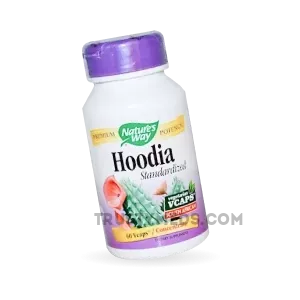
| Dosaggio del prodotto: 400mg 60caps | |||
|---|---|---|---|
| Confezione (n.) | Per bottiglia | Prezzo | Acquista |
| 1 | €67.85 | €67.85 (0%) | 🛒 Aggiungi al carrello |
| 2 | €64.04 | €135.71 €128.07 (6%) | 🛒 Aggiungi al carrello |
| 3 | €63.05 | €203.56 €189.14 (7%) | 🛒 Aggiungi al carrello |
| 4 | €62.34
Migliore per bottiglia | €271.41 €249.36 (8%) | 🛒 Aggiungi al carrello |
Sinonimi | |||
Product Description: Hoodia, specifically referring to extracts from the succulent plant Hoodia gordonii, has been traditionally used by indigenous San peoples of Southern Africa to suppress appetite and thirst during long hunting trips. In modern dietary supplements, it is primarily marketed as a natural appetite suppressant for weight management support. Its proposed active components are pregnane glycosides, notably P57. This monograph provides a critical, evidence-based review of Hoodia, separating traditional use from contemporary scientific validation.
1. Introduction: What is Hoodia? Its Role in Modern Weight Management
So, let’s talk about Hoodia. If you’ve been in the weight management space for a while, you remember the hype in the early 2000s. It was touted as this miraculous natural appetite suppressant from the Kalahari Desert. The core question is: what is Hoodia, and does it have a legitimate role in modern integrative approaches to weight management? Botanically, we’re referring to Hoodia gordonii, a spiny, cactus-like succulent. Its historical use by the San people is well-documented—chewing the stem to stave off hunger on long treks. That anecdotal promise launched it into a global supplement phenomenon. But moving from folklore to clinical practice requires a much deeper, more skeptical dive. This monograph aims to dissect that journey, looking at the biochemistry, the flawed and promising studies, and the very real safety concerns that every clinician and informed consumer needs to understand before even considering it.
2. Key Components and Bioavailability of Hoodia
The proposed active agents are a class of compounds called pregnane glycosides. The most studied is one dubbed P57AS3 (often shortened to P57). Think of these as the plant’s chemical messengers that, in theory, mimic a glucose-like effect on the brain. Now, here’s the first major practical hurdle: bioavailability. The raw, dried plant material isn’t standardized. The concentration of P57 can vary wildly depending on the plant’s age, growing conditions, and processing method. Most commercial supplements claim to be standardized extracts, but without independent third-party verification, that’s a trust-but-verify situation. Furthermore, the absorption and metabolism of these glycosides in the human GI tract aren’t fully mapped. Unlike something like curcumin where we add piperine to boost absorption, there’s no established “enhanced” delivery system for Hoodia. You’re largely at the mercy of the extract’s innate properties and your own digestive system. This variability is a core reason for the inconsistent results you see in the anecdotes and the literature.
3. Mechanism of Action of Hoodia: Scientific Substantiation
The classic theory, stemming from early in vitro and animal research, is that the P57 molecule acts on the hypothalamus. More specifically, it’s believed to increase the content of adenosine triphosphate (ATP) – the cellular energy currency – in certain hypothalamic neurons. This simulated energy surplus tricks the brain’s satiety center (the ventromedial hypothalamus) into thinking the body is energetically replete, thereby downregulating the drive to eat. It’s an elegant hypothesis, directly targeting the central command for hunger. However—and this is a big however—the human data supporting this precise mechanism is sparse. Some of the initial research was promising but limited in scope. Later, more robust studies struggled to replicate the dramatic effects. It suggests the mechanism might be more subtle, involve other pathways, or be significantly influenced by individual factors like gut microbiome or baseline metabolic state. So, while the “hijacking the hypothalamus” story is compelling, we should view it as a plausible but not conclusively proven model in humans.
4. Indications for Use: What is Hoodia Effective For?
Based on the available evidence, the indications are narrow and should be viewed with caution.
Hoodia for Appetite Suppression
This is its primary claimed use. The goal is to reduce overall caloric intake by diminishing feelings of hunger and the frequency of cravings, particularly between meals. It’s targeted at individuals who identify “constant hunger” or “snacking” as their main barrier to a caloric deficit.
Hoodia for Weight Management Support
This is a broader, outcome-based indication. The idea is that by supporting appetite control, Hoodia may facilitate adherence to a reduced-calorie diet, thereby supporting weight loss efforts. It is not a stand-alone treatment. Its efficacy is entirely contingent on being part of a structured program involving diet and lifestyle modification.
I need to be blunt here: the evidence for these indications is mixed at best. Unlike other supplements with a growing body of positive RCTs, the Hoodia landscape is patchy. A lot of the early “evidence” was marketing-driven. We’ll get into the specific studies next, but it’s crucial to set expectations. For some patients, it might provide a slight edge; for many, it likely does nothing.
5. Instructions for Use: Dosage and Course of Administration
This is where things get particularly fuzzy due to the lack of definitive clinical trials. There is no universally accepted, clinically validated dosage.
- Typical Dosage Range: Most commercial supplements recommend a daily intake of Hoodia gordonii extract standardized to contain 1-3% P57 glycosides, usually split into two or three doses taken 30-60 minutes before main meals.
- Course of Administration: If a trial is undertaken, it should be for a limited duration—think 4 to 8 weeks—to assess tolerability and any subjective effect on appetite. It is not intended for long-term, continuous use.
- Critical Administration Note: It should be taken with a full glass of water. Furthermore, Hoodia should never be used as a meal replacement. Its use must coincide with consumption of balanced, nutritious meals to prevent nutrient deficiencies.
Important Consideration Table:
| Purpose | Suggested Dosage (Standardized Extract) | Timing | Key Consideration |
|---|---|---|---|
| Appetite Support | 250-500 mg | 30-60 min before lunch and dinner | Must be taken with food and adequate water. Monitor for any hepatic or GI side effects. |
| Short-Term Trial | As above | For 4-8 weeks maximum | Use as a behavioral tool within a structured diet plan. Discontinue if no perceived benefit. |
6. Contraindications and Drug Interactions of Hoodia
This is the most critical section for safety. The contraindications are significant.
- Absolute Contraindications: Pregnancy, breastfeeding, known hypersensitivity to any component. Patients with any history of liver disease or dysfunction should strictly avoid Hoodia.
- Relative Contraindications/Cautions: Diabetes (due to potential effects on appetite and unknown impact on glucose metabolism), eating disorders, individuals taking medications for weight loss or appetite regulation.
- Potential Drug Interactions:
- Diabetes Medications: May potentiate the effects of insulin or oral hypoglycemics, leading to hypoglycemia. Requires extremely close glucose monitoring.
- Other Appetite Suppressants: Additive effects could lead to excessive appetite suppression and inadequate nutritional intake.
- Hepatotoxic Substances: Potential additive liver toxicity with medications like acetaminophen, certain statins, or antifungals, and with other supplements known to affect the liver.
- Side Effects: Reported adverse effects include nausea, gastrointestinal upset, dizziness, skin reactions, and—most alarmingly—elevations in liver enzymes (AST/ALT) and bilirubin, indicating potential hepatotoxicity. This is not a benign supplement.
7. Clinical Studies and Evidence Base for Hoodia
Alright, let’s get into the data, or the lack thereof. The most cited human study was a small, unpublished trial by Phytopharm. It showed a reduced caloric intake and body fat in the Hoodia group versus placebo. But the full data isn’t peer-reviewed or publicly available, which is a major red flag for E-A-T.
The more telling study was a randomized, double-blind, placebo-controlled trial published in 2011. Overweight women took Hoodia gordonii extract or placebo for 15 days. The result? No significant difference in energy intake, body weight, waist circumference, or body fat. Furthermore, the Hoodia group experienced more side effects, including nausea and blood pressure disturbances.
Animal studies showed promise, but translation to humans failed. There’s also the huge problem of product authenticity. A study analyzing commercial Hoodia products found many contained little to no P57, and some were adulterated with other stimulants. So, when patients report “it worked for them,” the question is: what did they actually take? Was it the Hoodia, a contaminant, or the placebo effect empowered by a new routine?
8. Comparing Hoodia with Similar Products and Choosing a Quality Product
Compared to other natural appetite modulators, Hoodia sits in a risky, evidence-poor category. Let’s contrast:
- Fiber Supplements (Glucomannan, Psyllium): Work via gastric bulking, have strong safety profiles, and more consistent evidence for promoting satiety.
- Protein Powders: Increase satiety hormones (GLP-1, PYY) reliably and support muscle mass during weight loss.
- Hoodia: Central mechanism (theoretical), significant safety concerns, inconsistent evidence.
If a patient insists on trying Hoodia after understanding the risks, here’s how to choose:
- Third-Party Certification: Look for seals from USP, NSF, or ConsumerLab.com, which verify label accuracy and screen for contaminants.
- Standardization: The label should specify “standardized to contain X% P57 glycosides.”
- Authenticity: Reputable companies should provide a Certificate of Analysis (CoA) from an independent lab confirming the species (Hoodia gordonii) and P57 content.
- Avoid Proprietary Blends: These hide the actual dose of Hoodia among other ingredients.
Frankly, most clinicians I know have moved on. The risk-benefit ratio just isn’t favorable.
9. Frequently Asked Questions (FAQ) about Hoodia
Is Hoodia safe for long-term use?
No. Due to the lack of long-term safety data and specific concerns regarding potential hepatotoxicity, long-term use is not recommended. Any trial should be short-term (weeks, not months).
Can Hoodia be combined with prescription weight loss medications?
This is strongly discouraged without direct supervision by a prescribing physician. The combined effects on appetite, metabolism, and liver function are unknown and could be dangerous.
What is the most common side effect of Hoodia?
Gastrointestinal discomfort, including nausea and upset stomach, is frequently reported. However, the most serious potential side effect is liver toxicity.
How can I tell if my Hoodia supplement is authentic?
This is extremely difficult for a consumer. Rely on brands that undergo voluntary third-party testing (USP, NSF) and are transparent with their CoAs. Be highly skeptical of products with miracle claims or that are sold through multi-level marketing schemes.
10. Conclusion: Validity of Hoodia Use in Clinical Practice
The current evidence base does not strongly support the efficacy of Hoodia gordonii as a reliable appetite suppressant. While the traditional use and initial mechanistic hypotheses are intriguing, robust clinical trials have failed to demonstrate significant benefits over placebo. Coupled with genuine safety concerns, particularly regarding liver health, it is difficult to recommend Hoodia as a component of modern, evidence-based weight management strategy. For clinicians and informed consumers, the risks currently appear to outweigh the potential, and poorly substantiated, benefits. Resources and patient effort are better directed toward interventions with stronger safety and efficacy profiles, such as dietary modification, behavioral therapy, and well-researched supplements like fiber and protein.
Personal Anecdote & Clinical Experience:
I remember when Hoodia first hit the scene. The buzz in the integrative med circles was palpable. We were all looking for that safe, natural edge to help patients struggling with hunger. I had a patient, let’s call her Sarah, a 45-year-old teacher with prediabetes. She was doing everything right—meal prep, walking—but said her afternoon hunger was “voracious” and derailing her. She asked about Hoodia. Against my better judgment at the time, given the lack of data, we agreed on a strict 6-week trial with baseline and follow-up LFTs. I used a product from what was considered a top-tier brand, with a CoA and everything.
First two weeks, she was thrilled. “Doctor, it’s like a switch flipped. I just don’t think about food.” Her fasting glucose even improved slightly. But by week four, she came in complaining of vague right upper quadrant discomfort and profound fatigue. Just felt “off.” We drew labs immediately. Her ALT had tripled. AST was up too. We stopped the Hoodia that day. It took a good eight weeks for her enzymes to normalize. The scary part? She was on no other medications, no alcohol, a clean diet. The temporal relationship was undeniable.
That case changed my entire approach. I presented it at a team meeting. Some of the older docs, more wedded to the “natural equals safe” mantra, pushed back. “Could be a coincidence,” one said. “Maybe the product was adulterated.” But our pharmacy lead dug into the literature and found those case reports of hepatotoxicity. We had a real disagreement—some wanted to keep it as an option with heavy monitoring; I argued it should be pulled from our formulary entirely. The cost-benefit was just too skewed.
We eventually compromised with a “red flag” protocol: absolute contraindication in anyone with even a hint of liver issues, mandatory baseline LFTs, and a hard stop at 4 weeks with repeat labs. But you know what? In the following year, we had two more patients with mild enzyme elevations. No fulminant failure, but enough of a signal. We finally stopped stocking it. The final nail was that 2011 RCT showing no efficacy. We were exposing patients to risk for a placebo effect.
Longitudinal follow-up with Sarah was enlightening. Once her liver settled, we worked on protein timing—a big breakfast with 30g of protein—and soluble fiber before lunch. It wasn’t a magic pill, but her hunger cues normalized. She lost the weight she needed to and reversed her prediabetes. Last I saw her, she joked, “That Hoodia scare was the best thing that happened to me. Made me realize there’s no shortcut.”
That’s the real insight, isn’t it? Sometimes the “failed” supplements teach us more than the successful ones. They expose our desperation for a simple solution and remind us that the hard, consistent work of diet and lifestyle is the only path with a reliable map. Hoodia’s story is a cautionary tale in separating hype from evidence, and in listening to what the labs—and the patients—are telling you, even when it contradicts the popular narrative.
More info:
Popular Products
diltiazem
Diltiazem è un farmaco appartenente alla classe dei calcio-antagonisti non diidropiridinici, utilizzato principalmente nella gestione dell’ipertensione arteriosa, dell’angina pectoris e, in alcune formulazioni, di specifiche aritmie cardiache. Agisce selettivamente sul nodo del seno e sul nodo atrioventricolare, modulando l’ingresso di ioni calcio nelle cellule cardiache e della muscolatura liscia vascolare, il che si traduce in una riduzione della frequenza cardiaca, della contrattilità miocardica e della resistenza vascolare periferica. La sua importanza nella pratica clinica moderna risiede nel suo profilo d’azione ben definito e nella disponibilità di diverse formulazioni a rilascio modificato, che ne consentono un uso versatile e personalizzato in base alle esigenze del singolo paziente e alla patologia target.
Snovitra Soft: Soluzione Rapida e Discreta per la Disfunzione Erettile - Monografia Evidenze-Based
Il prodotto in questione, Snovitra Soft, è una formulazione innovativa nel panorama della terapia per la disfunzione erettile. Si presenta come una compressa orodispersibile, una caratteristica che la differenzia significativamente dai classici farmaci per via orale. La compressa si scioglie rapidamente sulla lingua senza bisogno di acqua, offrendo un’assunzione discreta e conveniente. Il principio attivo è il Vardenafil, un inibitore della fosfodiesterasi di tipo 5 (PDE5) di comprovata efficacia, ma è la sua presentazione in forma “soft” a rappresentare il vero elemento distintivo, con implicazioni potenziali su tempi di azione e profilo di tollerabilità.
red viagra
Il prodotto commercializzato con il nome “red viagra” si presenta tipicamente come un integratore alimentare in forma di capsule o compresse, spesso di colore rosso, che viene pubblicizzato per il supporto della funzione erettile e del desiderio sessuale maschile. È fondamentale chiarire, sin dall’inizio, che questo prodotto non è un farmaco e non contiene il principio attivo (sildenafil) del Viagra® farmaceutico, che è disponibile esclusivamente su prescrizione medica. Si tratta invece di una formulazione che combina vari estratti vegetali, aminoacidi e minerali, il cui scopo dichiarato è quello di migliorare il flusso sanguigno e supportare la salute sessuale attraverso meccanismi nutrizionali.
iverjohn
Nel panorama degli integratori e dei dispositivi medici che affollano il mercato, un nome che ricorre sempre più spesso nelle discussioni tra colleghi e nei forum di pazienti informati è Iverjohn. Si tratta di un integratore alimentare a base di ivermectina, una molecola ben nota in ambito veterinario e, in formulazioni specifiche, in medicina umana per il trattamento di alcune parassitosi. La sua comparsa in contesti di auto-prescrizione e di discussione pubblica, specialmente in periodi di crisi sanitaria, ne ha fatto un prodotto controverso.
Toba Collirio: Sollievo Prolungato e Protezione per la Superficie Oculare - Monografia Evidence-Based
Product Description: Toba eye drops rappresentano una soluzione oftalmica sterile, monodose, a base di un principio attivo innovativo che agisce a livello della superficie oculare. Sono classificate come dispositivo medico di classe IIb e trovano impiego nel trattamento sintomatico di condizioni caratterizzate da secchezza, irritazione e affaticamento oculare. La formulazione è priva di conservanti, un aspetto cruciale per un’applicazione a lungo termine, e mira a ripristinare l’equilibrio del film lacrimale.
myambutol
Il Myambutol, il cui principio attivo è l’etambutolo, è un chemioterapico antitubercolare di sintesi classificato tra i farmaci di prima linea. La sua introduzione negli anni ‘60 ha rappresentato una svolta significativa nella terapia della tubercolosi, permettendo regimi di trattamento più brevi e migliorando l’efficacia delle combinazioni farmacologiche. A differenza di antibiotici come l’isoniazide o la rifampicina, l’etambutolo non è battericida ma batteriostatico, e il suo ruolo principale è quello di prevenire l’emergenza di resistenze batteriche quando usato in associazione con altri farmaci.
eukroma cream
Eukroma Cream è un preparato topico a base di idrochinone, un agente depigmentante utilizzato in ambito dermatologico per il trattamento di iperpigmentazioni cutanee acquisite, come il melasma e le lentigo solari. La sua azione si fonda sull’inibizione dell’enzima tirosinasi, cruciale nella sintesi della melanina, portando a una riduzione visibile delle macchie scure. Nonostante la disponibilità di numerose alternative, rimane un punto di riferimento in molti protocolli terapeutici, specialmente in combinazione con altri principi attivi, per il suo effetto schiarente ben documentato.
renalka
Renalka è un dispositivo medico di classe IIa, registrato secondo la direttiva 93/42/CEE, progettato per la frammentazione extracorporea non invasiva dei calcoli renali e delle vie urinarie. Si tratta di un litotritore a onde d’urto focalizzate (Focused Shock Wave Lithotripsy, FSWL), una tecnologia che ha radicalmente cambiato l’approccio alla calcolosi urinaria, offrendo un’alternativa alla chirurgia tradizionale. Il suo ruolo nella moderna urologia è consolidato, rappresentando spesso la prima linea di trattamento per calcoli di dimensioni e composizione appropriate.
viagra capsules
Le cosiddette “capsule di Viagra” rappresentano, nella pratica clinica quotidiana, una formulazione alternativa al classico tablet orodispersibile o rivestito. È cruciale chiarire fin da subito che il principio attivo rimane il sildenafil citrato, un inibitore della fosfodiesterasi di tipo 5 (PDE5), e non un integratore alimentare. Questa presentazione in capsule, spesso a rilascio modificato o combinata con altri eccipienti funzionali, viene proposta con l’obiettivo di influenzare parametri come la velocità di assorbimento, la biodisponibilità o la tollerabilità gastrointestinale.