Hair Loss Cream: A Multi-Target Topical Treatment for Pattern Hair Loss - Evidence-Based Review
| Dosaggio del prodotto: 50 ml | |||
|---|---|---|---|
| Confezione (n.) | Per tubo | Prezzo | Acquista |
| 1 | €80.48 | €80.48 (0%) | 🛒 Aggiungi al carrello |
| 2 | €73.21
Migliore per tubo | €160.97 €146.41 (9%) | 🛒 Aggiungi al carrello |
Sinonimi | |||

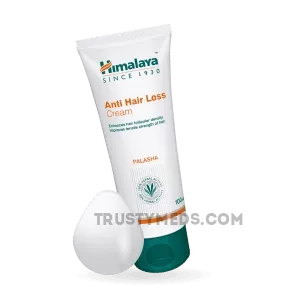
Product Description: This monograph details a topical formulation, classified as a medical device or cosmetic product depending on regional regulations, designed for the management of androgenetic alopecia (male and female pattern hair loss) and other forms of non-scarring alopecia. The cream is a non-prescription, leave-in treatment applied directly to the scalp. Its primary objective is to create a favorable microenvironment for hair follicle health, targeting multiple pathways implicated in hair thinning and loss, rather than relying on a single pharmacological agent. The formulation typically combines vasodilators, 5-alpha-reductase inhibitors of botanical origin, growth factor stimulators, and essential nutrients in a penetrative base.
1. Introduction: What is Hair Loss Cream? Its Role in Modern Trichology
In the evolving landscape of trichology, hair loss cream represents a shift from monotherapies to multi-target topical interventions. Unlike oral medications that exert systemic effects, a well-formulated cream acts locally on the scalp, aiming to mitigate the follicular miniaturization process central to androgenetic alopecia. For many patients and clinicians, it serves as a first-line or adjunctive approach, particularly for those hesitant about systemic treatments like finasteride or dealing with its potential side effects. Its role is not to “cure” genetic hair loss but to manage it proactively—slowing progression, improving hair density and shaft diameter, and extending the anagen (growth) phase. The significance lies in its potential for synergistic action, where multiple ingredients address inflammation, microcirculation, and hormonal sensitivity concurrently.
2. Key Components and Bioavailability of Hair Loss Cream
The efficacy of a hair loss cream hinges on its active composition and the ability of these components to penetrate the stratum corneum to reach the hair follicle bulge and dermal papilla. A robust formulation often includes:
- Vasodilators (e.g., Minoxidil): The most evidence-backed topical agent. It is a potassium channel opener, leading to vasodilation and increased blood flow to follicles. In a cream vehicle, its bioavailability is contingent on the concentration (typically 2% or 5%) and the presence of penetration enhancers like propylene glycol, though newer formulations seek alternatives to reduce irritancy.
- 5-Alpha-Reductase Inhibitors (Botanical): Compounds like saw palmetto extract, beta-sitosterol, and green tea catechins (EGCG) are included to locally inhibit the conversion of testosterone to dihydrotestosterone (DHT), the androgen responsible for follicular miniaturization in genetically susceptible individuals.
- Growth Stimulators & Nutrients: Caffeine is a key component for its ability to stimulate hair shaft elongation, counteract the growth-inhibiting effects of DHT, and improve microcirculation. Niacinamide (Vitamin B3) improves scalp barrier function and reduces inflammation. Amino acids (e.g., L-cysteine, taurine) and peptides (e.g., copper peptides) provide building blocks for keratin and may stimulate follicle activity.
- Penetration-Enhancing Base: The cream’s vehicle is not inert. It must balance occlusivity with delivery. Components like phospholipids, ethanol, or nanotechnology-based carriers can significantly enhance the transdermal delivery of hydrophilic and lipophilic actives alike, a critical factor often overlooked in inferior products.
3. Mechanism of Action of Hair Loss Cream: Scientific Substantiation
The mechanism of action is multifactorial, which is its core scientific premise. Think of the hair follicle as a factory under siege. A single-target approach might only fix the broken gate. A multi-target hair loss cream aims to repair the gate, power up the machinery, and protect it from internal sabotage.
- Vascular Endothelial Growth Factor (VEGF) Induction: Minoxidil sulfate, its active metabolite, upregulates VEGF. This is like opening the floodgates to a richer blood supply, delivering more oxygen and nutrients to the dormant or struggling follicle.
- Local Androgen Pathway Modulation: Botanical 5-alpha-reductase inhibitors act as local “shields” at the follicular level. By blocking the enzyme, they reduce the amount of DHT available to bind to androgen receptors in the follicle, thereby slowing the miniaturization signal.
- Prolongation of Anagen Phase: Caffeine and certain peptides can influence intracellular signaling (e.g., cAMP phosphodiesterase inhibition). This effectively “tells” the follicle to stay in the growth phase longer and delays the transition to the catagen (regression) phase.
- Anti-inflammatory & Antioxidant Effects: Ingredients like niacinamide and EGCG quench reactive oxygen species and reduce perifollicular inflammation, a contributing factor in hair loss that can exacerbate the effects of androgens.
The synergy aims to create a scalp environment less conducive to hair loss and more supportive of regeneration.
4. Indications for Use: What is Hair Loss Cream Effective For?
The primary indications for use are conditions characterized by non-scarring hair loss, where follicles remain alive but functionally impaired.
Hair Loss Cream for Androgenetic Alopecia (Male & Female Pattern)
This is the primary target. For men (Norwood stages II-V) and women (Ludwig scale I-II), it can slow progression, thicken existing miniaturized hairs, and promote regrowth in areas of recent thinning. It is most effective in the crown and vertex for men and for diffuse thinning over the mid-scalp in women.
Hair Loss Cream for Telogen Effluvium Acceleration
While acute telogen effluvium (temporary shedding from stress, illness, etc.) is self-limiting, a hair loss cream can potentially shorten the recovery period by stimulating follicles to re-enter the anagen phase more quickly, reducing the duration of excessive daily shedding.
Hair Loss Cream for Hair Thinning and Improved Density
For individuals with general hair thinning or as a preventative measure for those with a strong family history, the cream can be used to improve overall hair shaft caliber and density, giving the appearance of fuller, healthier hair.
5. Instructions for Use: Dosage and Course of Administration
Consistency is paramount. Effects are not immediate and require long-term commitment.
- Application: Typically 1 mL of cream (or a pea-sized amount per affected area) applied directly to a dry scalp twice daily. Part hair to expose the scalp and massage gently until absorbed.
- Course: Minimal initial course is 4-6 months to assess efficacy. A “shedding” phase (telogen effluvium) may occur in the first 2-8 weeks as follicles synchronize; this is often a sign of impending regrowth and should not cause discontinuation.
- Maintenance: Treatment is indefinite for androgenetic alopecia. Discontinuation leads to the loss of gained hair within 3-6 months, reverting to the untreated state.
| Indication | Frequency | Key Application Note | Expected Timeline for Visible Results |
|---|---|---|---|
| Androgenetic Alopecia | 2 times daily | Apply to clean, dry scalp; focus on thinning areas. | 4-6 months for stabilization, 6-12 months for noticeable regrowth. |
| Adjunct to Oral Therapy | 1-2 times daily | Can be used with finasteride/dutasteride for enhanced effect. | May see accelerated improvement. |
| Preventative / Density | 1 time daily (PM) | Apply to full scalp. | Improved shaft diameter may be noted in 3-4 months. |
6. Contraindications and Drug Interactions of Hair Loss Cream
Contraindications include known hypersensitivity to any component. Caution is advised for those with broken scalp skin, inflammatory scalp conditions (severe psoriasis, active eczema), or cardiovascular disease (specifically for minoxidil-containing formulas due to rare systemic absorption causing tachycardia or edema). Is it safe during pregnancy and lactation? The general recommendation is to avoid due to limited safety data, especially for minoxidil-containing creams. Interactions with systemic drugs are rare due to low absorption, but theoretically, topical minoxidil could potentiate the hypotensive effects of blood pressure medications. Consultation with a physician is crucial before starting.
7. Clinical Studies and Evidence Base for Hair Loss Cream
The clinical studies for individual components are stronger than for specific multi-ingredient creams, which are less frequently studied as a whole. However, the evidence base is compelling:
- Minoxidil: Decades of data. A 48-week double-blind study published in the Journal of the American Academy of Dermatology found 5% topical minoxidil superior to 2% and placebo in increasing hair count and weight in men.
- Caffeine: A 2014 International Journal of Trichology study demonstrated that a caffeine-based topical solution reduced hair loss progression in men over 6 months. In vitro studies show it stimulates hair follicle elongation.
- Saw Palmetto: A 2012 pilot study in the Journal of Alternative and Complementary Medicine found that a topical saw palmetto solution showed similar efficacy to 2% minoxidil in men with mild-to-moderate AGA over 24 weeks.
- Combination Approach: A 2020 review in Skin Appendage Disorders concluded that combination therapies (e.g., minoxidil + anti-androgens) show “promising results” with potentially higher efficacy than monotherapies.
The challenge, as I’ve seen in practice, is that industry-funded studies on proprietary blends can be biased. The real-world effectiveness often mirrors the strength of the individual actives and their delivery system.
8. Comparing Hair Loss Cream with Similar Products and Choosing a Quality Product
When users search for “hair loss cream similar” or “which hair loss cream is better,” they are navigating a crowded market. Key comparisons:
- vs. Topical Solutions/Foams (Minoxidil): Creams are often less irritating (alcohol-free bases), less messy, and can incorporate a wider array of active ingredients beyond just minoxidil. However, traditional solutions may have longer-term efficacy data.
- vs. Oral Finasteride: The cream offers a localized effect with minimal risk of systemic sexual side effects, a major advantage. However, for advanced male pattern loss, oral finasteride is generally more potent for stopping progression.
- vs. Shampoos: Shampoos have limited contact time (minutes). A leave-in hair loss cream provides 12-24 hours of contact, allowing for deeper penetration and sustained action.
How to choose a quality product:
- Transparency: The label should clearly list concentrations of key actives (e.g., “5% Minoxidil,” “5% Caffeine”).
- Evidence-Backed Ingredients: Prioritize formulas containing components with published human studies.
- Vehicle: Look for mentions of penetration-enhancing technology (liposomes, nanosomes).
- Avoid “Miracle” Claims: Be wary of products claiming to cure baldness or regrow hair in completely bald areas.
9. Frequently Asked Questions (FAQ) about Hair Loss Cream
What is the recommended course of hair loss cream to achieve results?
A minimum of 6 months of consistent, twice-daily application is required to properly assess efficacy for pattern hair loss. Hair cycles are slow; patience and consistency are non-negotiable.
Can hair loss cream be combined with oral finasteride?
Yes, and this is a common and rational combination therapy in clinical practice. They work via complementary mechanisms of action—finasteride systemically reduces DHT production, while the cream works locally on growth stimulation and microcirculation. This can yield superior results to either alone.
Does hair loss cream cause initial shedding?
Yes, it’s common and often a positive prognostic sign. It indicates that telogen (resting) hairs are being pushed out to make way for new anagen hairs. This shedding usually peaks around weeks 2-8 and subsides.
Is hair loss cream effective for receding hairlines?
It can be, but the frontal hairline and temples are often more resistant to treatment than the crown/vertex. Results here are less predictable and may require combination therapies or procedural interventions like hair transplantation for significant restoration.
10. Conclusion: Validity of Hair Loss Cream Use in Clinical Practice
In conclusion, a well-formulated, evidence-based hair loss cream is a valid and valuable tool in the trichologist’s armamentarium. Its validity rests on the synergistic, multi-target approach to a multifactorial condition. The risk-benefit profile is favorable for most patients, with a low incidence of significant side effects, primarily local irritation. It is most effective for early to moderate androgenetic alopecia and as an adjunct in more advanced cases. For the informed consumer or healthcare professional, it represents a pragmatic, localized strategy for managing hair loss, with its success fundamentally tied to realistic expectations, quality of formulation, and unwavering adherence.
Personal Anecdote & Clinical Experience:
Let me be perfectly honest—when these multi-ingredient creams first hit the scene, I was deeply skeptical. My training was in hard pharmacology: finasteride, minoxidil, end of story. The early data on saw palmetto or caffeine felt… soft. I remember a rep leaving a sample on my desk about eight years ago, this fancy cream in sleek packaging. I nearly tossed it. But then, Mark, a 32-year-old software developer, came in. Classic early Norwood III vertex thinning. Terrified of finasteride after reading forums—“post-finasteride syndrome” had him paralyzed. Minoxidil solution gave him terrible contact dermatitis, itchy, flaky scalp. He was desperate, and frankly, I was running out of options to offer him. So, I dug out that sample. “Look,” I told him, “the evidence isn’t as robust, but the mechanism makes sense. And it might be easier on your skin. Think of it as a scalp conditioner that might help. Manage expectations.”
We tracked him closely. At month 3, he reported less daily shedding on his pillow. The itching was gone. By month 8, in the follow-up photos under cross-polarized light, we both saw it: increased density in the vertex, those fine, miniaturized hairs had thickened up. It wasn’t a transplant result, but it was a clear, clinical improvement. His relief was palpable. That case, and others like it, forced me to reconsider my bias.
The development struggles are real, though. I’ve consulted for a few startups in this space. The biggest fight is always between the marketing team and the R&D chemists. Marketing wants 20 “natural” ingredients on the label for appeal; the chemists know that stability and penetration are nightmares with complex blends. I recall one heated meeting where we argued for an hour about including biotin in the topical formula. I was against it—molecular weight too high for meaningful penetration, no good topical data. We compromised, but it felt like a dilution of scientific integrity for a label claim.
Another patient, Sarah, 45, with diffuse female pattern loss. She responded modestly to the cream alone. We added low-dose oral spironolactone, and the combination was transformative for her. It highlighted that for many, the cream is a cornerstone, not always the entire house. The “failed” insight? Not everyone responds. I have patients like David, who used a high-quality cream religiously for a year with zero improvement. His follicles, it seems, were just too far down the miniaturization path. It taught me that patient selection and staging are everything. This isn’t a one-size-fits-all.
The longitudinal follow-up is key. Mark, that first patient, is still on his regimen 7 years later. He sends a Christmas card every year—jokingly with a close-up of his crown. He’s maintained. That’s the real-world data you won’t find in a 6-month sponsored trial. He’ll occasionally try to skip a few days, he admits, and notices more hairs in the drain, a reminder of the chronic nature of this condition. It’s a marathon, not a sprint. These creams, when they work, are a commitment. But for those who find the right one, it’s a commitment that lets them look in the mirror and feel a bit more like themselves, and that’s not nothing in this field.
More info:
Popular Products
Aristocort (Triamcinolone Acetonide): Potente Azione Antinfiammatoria e Immunosoppressiva - Monografia Evidence-Based
Product Description: Aristocort è il nome commerciale di un corticosteroide sintetico, il triamcinolone acetonide. Appartiene alla classe dei glucocorticoidi ad attività antinfiammatoria e immunosoppressiva potente. Non è un integratore alimentare, ma un farmaco di prescrizione, disponibile in diverse formulazioni: crema e unguento per uso topico, sospensione iniettabile per via intramuscolare, intra-articolare o intralesionale, e in passato anche in compresse. La sua azione principale è sopprimere la risposta infiammatoria e immunitaria in una vasta gamma di condizioni dermatologiche, reumatologiche, allergiche e di altro tipo.
Tretinoina 0.025%: Trattamento Topico per Acne e Fotoinvecchiamento - Monografia Evidenze-Based
Il principio attivo tretinoina, nella concentrazione dello 0.025%, rappresenta un caposaldo della terapia topica in dermatologia. Si tratta della forma acida della vitamina A (acido tutto-trans retinoico), disponibile in formulazioni come crema o gel, prescritta per il trattamento di condizioni cutanee specifiche. La sua azione si esplica a livello cellulare, influenzando i processi di differenziazione e proliferazione dei cheratinociti. Nonostante la sua potenza, la concentrazione dello 0.025% è spesso considerata un punto di partenza, offrendo un profilo di tollerabilità migliore rispetto a formulazioni più concentrate, pur mantenendo un’efficacia clinicamente significativa.
Fosamax: Trattamento Efficace per l'Osteoporosi e la Prevenzione delle Fratture - Monografia Evidenze-Based
Fosamax, il cui principio attivo è l’alendronato sodico, appartiene alla classe terapeutica dei bifosfonati. È un farmaco di prescrizione utilizzato nel trattamento e nella prevenzione dell’osteoporosi in donne in post-menopausa e negli uomini, nonché nel trattamento dell’osteoporosi da glucocorticoidi e del morbo di Paget dell’osso. Agisce inibendo il riassorbimento osseo mediato dagli osteoclasti, portando così a un aumento netto della massa e della densità minerale ossea, riducendo il rischio di fratture vertebrali e dell’anca.
inderal la
Propranololo cloridrato a rilascio prolungato, commercializzato con il nome Inderal LA, rappresenta un pilastro terapeutico nella gestione di diverse condizioni cardiovascolari e non solo. È un beta-bloccante non selettivo di seconda generazione, formulato in capsule a rilascio modificato che forniscono un effetto terapeutico costante sulle 24 ore con una singola somministrazione giornaliera. Questa caratteristica ne ha fatto uno strumento fondamentale per migliorare l’aderenza terapeutica e stabilizzare il profilo emodinamico del paziente.
buspar
Prima di tutto, chiariamo di cosa stiamo parlando. Buspar è il nome commerciale più conosciuto per il principio attivo buspirone cloridrato. Non è una benzodiazepina. Questo è il punto fondamentale che lo distingue dalla maggior parte degli ansiolitici che la gente e molti pazienti conoscono. È un agente ansiolitico atipico, classificato come azapirone, e la sua approvazione principale è per il trattamento a breve termine del Disturbo d’Ansia Generalizzato (GAD).
Aggrenox: Prevenzione Secondaria dell'Ictus con Doppio Meccanismo - Monografia Evidenze-Based
Aggrenox è un farmaco di combinazione a rilascio modificato, contenente 25 mg di aspirina a rilascio immediato e 200 mg di dipiridamolo a rilascio prolungato, in una singola capsula. È classificato come un agente antiaggregante piastrinico e il suo ruolo nella medicina moderna è ben definito: la prevenzione secondaria dell’ictus ischemico e dell’attacco ischemico transitorio (TIA). Non è un integratore alimentare o un dispositivo medico, ma un farmaco soggetto a prescrizione con un solido profilo di evidenza.
Cytotec (Misoprostolo): Gestione Medica in Ginecologia e Ostetricia - Monografia Evidenze-Based
Il Cytotec è il nome commerciale di un farmaco a base di Misoprostolo, un analogo sintetico della prostaglandina E1. Inizialmente sviluppato e commercializzato per la prevenzione delle ulcere gastriche indotte da FANS, il suo profilo farmacologico – che include potenti effetti sulla contrazione della muscolatura liscia uterina e sulla maturazione cervicale – ne ha drasticamente ampliato le applicazioni in ambito ginecologico e ostetrico. Oggi, il Misoprostolo (Cytotec) rappresenta una pietra miliare nella gestione medica di condizioni come l’aborto, il parto indotto e la prevenzione dell’emorragia post-partum, nonostante il suo uso in molte di queste indicazioni sia spesso “off-label”, basato su solide evidenze di linee guida internazionali.
mircette
Mircette è un contraccettivo orale combinato (COC), un farmaco di prescrizione utilizzato per la prevenzione della gravidanza. È una pillola a basso dosaggio che contiene due ormoni sintetici: etinilestradiolo, un estrogeno, e desogestrel, un progestinico di terza generazione. La sua caratteristica distintiva nel panorama dei contraccettivi orali è il suo regime di assunzione unico, che prevede 21 giorni di pillole attive (con ormoni) seguite da 2 giorni di placebo e poi da 5 giorni di pillole contenenti una dose molto bassa di solo estrogeno.
purim
Il prodotto in questione, spesso identificato con il nome commerciale “Purim”, non è un farmaco, ma un integratore alimentare a base di estratti vegetali. La sua formulazione tipica combina principi attivi derivati da piante della tradizione ayurvedica, principalmente Andrographis paniculata (Kalmegh), Bacopa monnieri (Brahmi) e Curcuma longa (Curcuma), con l’aggiunta di Azadirachta indica (Neem). Viene proposto per supportare la funzionalità epatica, la depurazione dell’organismo e la risposta immunitaria. La sua popolarità si basa su un lungo storico di utilizzo nella medicina tradizionale, ma è fondamentale esaminarne i componenti e le evidenze scientifiche moderne per valutarne il ruolo in un contesto di salute integrativa.